









compare your boots
compare your boots


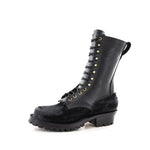
The 100 RedX: Vibram's toughest, all-purpose sole for unmatched durability
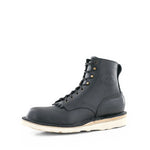
The 132 Honey Soft Sole: engineered for enhanced grip and superior traction
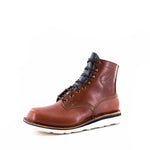
The 4014 White Christy Casual Wedge Sole: soft, comfortable, and perfect for everyday work
Classic tall logger arch of the Pacific Northwest. Additional support for those with high arches and the toughest jobs
Most common arch height found in work boots
Most common arch height found in work boots
Less flexible; designed to maintain structure and stability under heavy loads or rugged use
Highly flexible, allowing for a natural foot movement and greater ease in bending the boot
Highly flexible, allowing for a natural foot movement and greater ease in bending the boot
High strength black thread, fire resistant to over 900 °F
High strength black thread, fire resistant to over 900 °F
High strength black thread, fire resistant to over 900 °F
4 eyelets allow for a standard lacing formation
4 eyelets allow for a standard lacing formation
4 eyelets allow for a standard lacing formation
Not sure which JK boots fit your work? In the video below, we break down the real differences between the Superduty, O.T. and Forefront, so you can pick the right boot for your job, terrain and hours on your feet.
The short version:
Many customers end up with two pairs, like a Superduty for heavy work and an O.T. for everyday use. Just start with what your work demands most.