









How to Keep Your Winter Boots Dry: 3 Simple Tips
Winter is coming, and that means cold, deep snow, and a lot of wet boots. In this post I'll walk you through how to keep your winter boots dry, with a few simple tips and tricks that actually work.

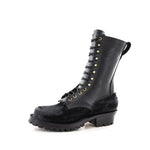
This is the JK Boots Arctic model. It's a really good winter boot, and I recommend it for any kind of winter use or work. But these tips aren't just for JK Boots. They work for any leather boots you're wearing out in the snow.
The Quick Answer
The best way to keep winter boots dry is to seal the leather, dry your boots the right way, and knock the snow off before it melts. Here's the short version:
- Seal your boots with product. Put on a thick layer of boot grease or leather preservative, then spray a waterproof protector over the top. Focus on doing the stitching first.
- Use a boot dryer, carefully. A boot dryer works better than leaving boots by a heater. If your boots are completely soaked, air dry them first so the leather doesn't shrink.
- Dust the snow off. When you come inside, brush the packed snow out of the welt, the sole lugs, and the tongue before it melts and soaks in.
Tip 1: Seal your boots with grease and a waterproof spray
Product is the best way to keep your boots dry in snow or any wet conditions. I'm talking about things that sit on top of the leather, like sealers, coatings, and grease.
Use boot grease, not oil
I like Obenauf's Leather Preservative, but honestly any good boot grease or snow seal will work. The key is to use a grease or preservative, not an oil. They do two different jobs:
- Oil soaks into the leather. It hydrates and conditions it.
-
Grease or preservative stays on top of the leather, especially in the cold. It seals the surface, and that's what you want for snow.

Once you put the grease on, water just runs right off. It's a cool experiment. Just put some on a piece of leather, spray it with a hose, and watch the water bead up and roll off. Snow and slush roll off even better, because they can't just sit there and soak in.
Add a waterproof spray on top
The second product is a waterproof spray, like a water and stain protector. Think of it as an upgraded version of the preservative. It's a chemical-based protector, and it doesn't hurt the leather at all. One of the boot care products we sell is this Pro-Tex Protector water repellent spray.
Combine them for the ultimate snow-proof boot
Either product works well on its own. But together they work even better. Here's what I do:
- Put on a nice thick layer of preservative or boot grease.
- Spray a good coat of water and stain protector over the top.
With two layers of high-quality protection, nothing is getting through that leather.
Where to focus
Water usually gets into a boot in two places:
- The stitching holes. This is where water seeps in first, so cover the stitching really well.
- The leather itself. Do the rest of the leather after the stitching.
If you have a tall boot, you don't have to cover it all the way to the top. Unless you'll be in knee-deep snow, going up to about mid-shin is plenty and saves you time.
Tip 2: Use a boot dryer
The second thing I recommend is a boot dryer. There are a lot of different ones out there, and they work really well. Most are basically a plastic tube that slides into the boot and blows warm air through it to dry it out. In my opinion, that's better than leaving your boots in some warm spot in the kitchen.
The one thing to watch for
There is a little bit of danger here that you need to keep in mind. If your boots are super soaked, say you were out in the snow all day without any product on them, putting them straight on a boot dryer can make the leather shrink. When leather gets really wet and then hits dry heat, it can contract as it dries.
I've heard a few stories from guys who said, "My boots were soaked, I put them on the dryer, and they felt tight when I put them back on."
How to avoid it
If your boots are completely soaked:
- Skip the boot dryer at first. Let them air dry in a normal, cool, dry spot.
- Oil them so the leather loosens back up.
- Put them back on.
- Use the boot dryer later, once they're no longer soaked.
Tip 3: Dust the snow off your boots
Let's say you don't have a boot dryer or any of these products right now. The next best thing sounds funny or too simple, but it works: dust the snow off your boots.
Think about it. You work out in the snow all day, come home, and take your boots off. There's snow packed into the welt, into the lugs of the sole, and especially along the inner side of the boot where the leather meets the outsole. You leave them in the garage or the kitchen, the snow hits room temperature and melts. Now that water just sits on your boot and soaks right in.

So before you set them down:
- Knock the packed snow out of the welt and sole lugs.
- Brush of the inside edge.
- Pull out the false tongue and clear out any snow stuck in the tongue area.
It seems simple and logical, but we all forget to do it sometimes. I'm guilty of it too. Consider this your reminder.
Winter boot FAQ
What's the best way to waterproof leather work boots for snow?
Put on a thick layer of boot grease or leather preservative, then spray a water and stain protector over it. The grease seals the leather, and the spray adds a second layer that makes water run right off.
Should I use boot oil or boot grease in winter?
Use grease or preservative for waterproofing. Oil soaks into the leather to condition it. Grease stays on top and seals it, which is what keeps snow and slush out.
Where does water get into leather boots?
Most water gets in through the stitching holes first, then through the leather itself. Cover the stitching well before you do the rest of the boot.
How high up the boot should I apply waterproofing?
Unless you're going to be in knee-deep snow, mid-shin is usually enough.
Can a boot dryer shrink leather boots?
It is possible when the boots are completely soaked, the wet leather can contract when dry heat hits it. Air dry super soaked boots in a cool, dry spot first, oil them, and use the boot dryer later.
What can I do if I don't have a boot dryer or waterproofing products?
Brush all the packed snow off your boots when you take them off. Clear all around the welt, the sole lugs, and the tongue so the snow doesn't melt and soak in.
The Bottom Line
So there you have it, a few simple ways to keep your winter boots dry. Product is the best, a boot dryer comes in second, and good old-fashioned maintenance is third. Try them out and figure out what works best for you. Maybe there's a different product combo that works even better for your job.
Built for the cold: The JK Boots Arctic
If you need a winter work boot, I really think our Arctic is a superior work boot. It has Thinsulate insulation, 200 grams in the uppers, and 400 grams in the lowers, plus a neoprene footbed liner for all-around warmth. It's built with the same full leather, handmade construction as our Superduty, but on Vibram WhiteX soles.
Shop winter boots and get ready before the snow hits.
Want to see these tips in action? Watch the video on YouTube.
Leave a comment