








Full Grain Leather Explained: Why It’s the Best Choice for Durable Work Boots
When it comes to work boots, not all leather is created equal, and understanding the differences can dramatically impact your comfort, durability, and long-term value. In the video “Full Grain Leather: Is It Really THAT Good?”, we break down why full grain leather stands above other types and why it plays such a critical role in premium footwear.
This guide expands on those insights to help you understand what full grain leather is, how it compares to other leather types, and why it matters—especially if you rely on your boots daily.

What is Full Grain Leather?
Full grain leather is the highest quality leather available. Unlike lower-grade options, it uses the entire top layer of the hide without sanding or altering the natural grain. This means it retains all the original fibers, making it significantly stronger and more durable.
In contrast, terms like “genuine leather” can be misleading. While it is technically real leather, it is often heavily processed, sanded, and weakened. Full grain leather, on the other hand, maintains its natural structure, resulting in better performance and longevity.
Why Leather Quality Matters
Leather quality directly impacts how long our boots last and how well they perform under stress. High-quality boots often use thicker leather measured in ounces. Most mass-produced boots use leather ranging from 3.5 oz to 5.5 oz. Premium boots, however, commonly use 8 oz leather or more, with some materials like bison hides reaching up to 9–10 oz. That difference is massive.
Thicker leather provides:
- Increased durability in tough environments
- Better protection for your feet
- Longer lifespan before wear and tear
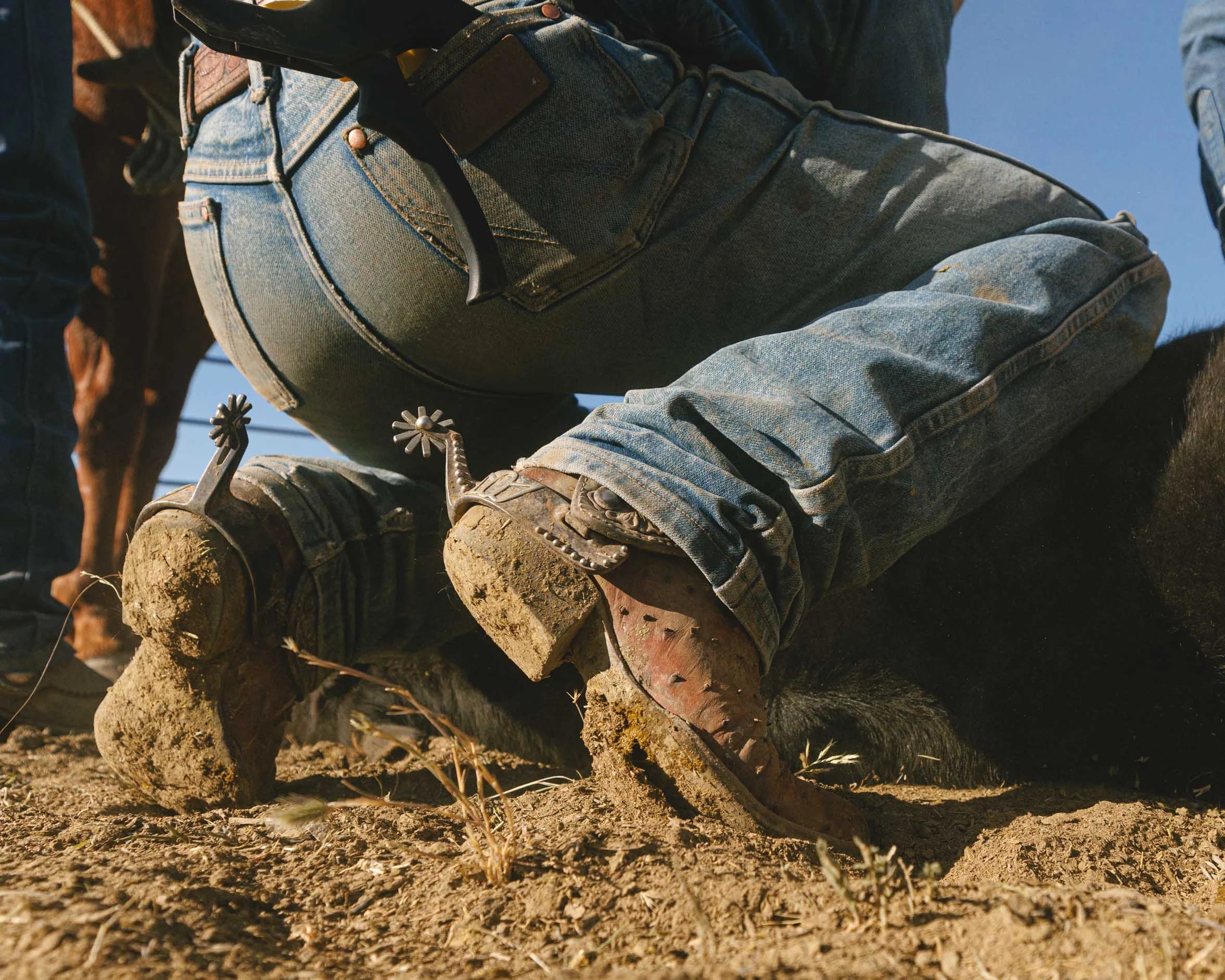
For workers in demanding fields like construction, firefighting, or oil work—this added thickness isn’t just a luxury; it’s essential.
The Role of U.S. Hides
Another important factor is the source of the leather. The video highlights the use of U.S. hides, which tend to come from larger, healthier cattle. This results in stronger, more developed leather fibers.
Stronger fibers = tougher boots.
This contributes to better resistance against abrasions, stress, and environmental conditions, making a noticeable difference over time.
Oil Tanning and Comfort
Durability alone isn't enough, we believe comfort matters just as much.
That’s where oil tanning comes in. Oil-tanned leather is infused with oils during processing, making it more flexible and water-resistant. This also affects the “temper” of the leather, which refers to how soft or stiff it feels.
A well-balanced temper means:
- Less painful break-in period
- Immediate comfort out of the box
- Long-term flexibility without cracking
Many cheaper boots use stiff leather that can take months to break in, if they ever do. High-quality oil-tanned full grain leather avoids that issue entirely.
Breathability and Foot Health
Other benefits of full grain leather that many people might not be aware of are breathability and how it can improve foot health. Unlike synthetic materials or heavily processed leather, full grain leather allows air to circulate more naturally.
This can help:
- Reduce seat buildup
- Prevent odors
- Minimize issues like athlete's foot
Additionally, boots made entirely from leather (without synthetic uppers) tend to regulate temperature better, keeping your feet more comfortable during long workdays.

Water Resistance and Weather Protection
Full grain, oil-tanned leather also offers excellent natural water resistance. Water tends to bead up and roll off the surface, especially when properly maintained with oils or grease.
Compared to synthetic or lower-grade leather:
- Dirt and grime don't stick as easily
- Moisture penetration is reduced
- Maintenance is simpler and more effective
For outdoor workers, this can make a huge difference in daily comfort and boot longevity.
Long-Term Value: You Get What You Pay For
Ultimately you want your boots to last, and while full grain leather boots come with a higher upfront cost, they often:
- Last significantly longer
- Perform better under stress
- Provide greater comfort over time
Instead of replacing cheaper boots multiple times, investing in high-quality leather can save money and frustration in the long run.
From durability and comfort to breathability and water resistance to longevity and support, full grain leather outperforms lower-grade materials in nearly every category.
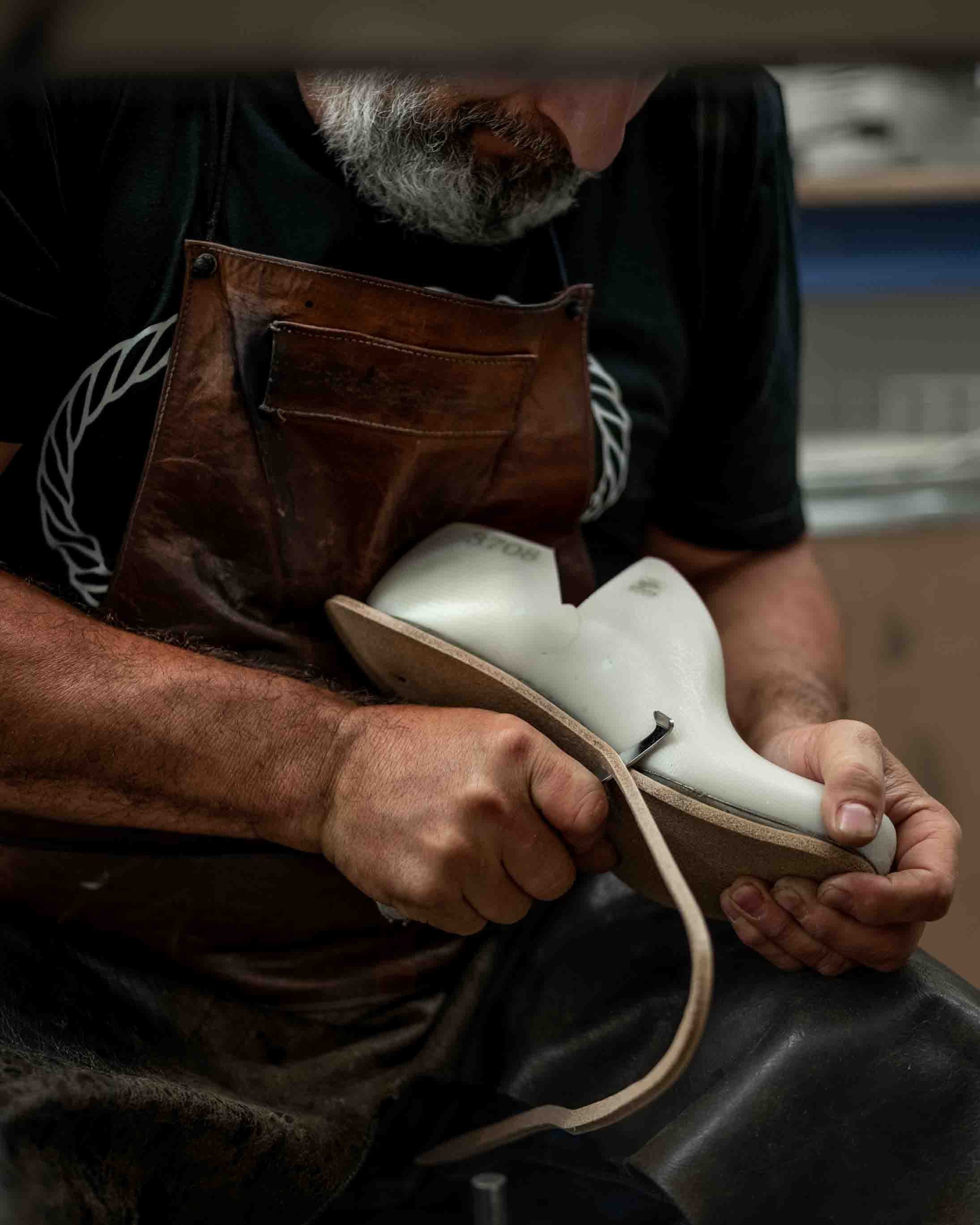
If you depend on your boots for work or daily wear, choosing boots built with full grain leather means investing in performance, reliability, and long-term value without having to worry about what is on your feet. As always, quality craftsmanship is very important. Here at JK Boots we focus on making sure your boots are built right, and having quality leather is a part of that process.
Watch the full video breakdown here.
Leave a comment