









From Shoe Repair to Eight Figures: How JK Boots Was Built
Most businesses are built on a plan. JK Boots was built on a vision, a set of used machinery, and a family that refused to think small.
By the time John Khadzhi had stabilized his tailoring and shoe repair shop in Spokane, he knew it wasn't what his end goal was. It was only the start and the foundation. He had always dreamed of having a business making boots with his sons. And sometime in 2012, it started to become a reality.

A Chance Meeting and a Storage unit Full of Gold
Finding the equipment to make boots is not really as simple as ordering supplies online. Some of the machinery can be niche, a little old school, and hard to come by. A lot of it is also made from cast iron so it's heavy, durable, and built to last generations if maintained properly.
At this point in time John is his season of looking, just keeping his eyes open for anything, when he crossed paths with a man named Kirk. The story goes that they met in a grocery store. John was wearing apparel that indicated something related to boots or shoe repair. Kirk noticed that and struck up a conversation asking John if he worked in boot repair. John answered that he was so Kirk mentioned how he had all this stuff from his grandpa that had passed away and didn't know what to do with it and just wanted to get rid of it. So he asked John if he would want to take a look at it and maybe take some of it. John went to take a look.
What he found was a collection of key pieces that is very difficult to source. It turns out the Kirk's grandpa was a shoe repair guy for a long time in Spokane and when he died all his equipment just went to his grandson who didn't know what to do with it. One was a stitching machine called a rapidity stitcher, a piece of equipment that stitches through thick soles and costs around $10,000 to buy brand new. John only paid around $200 cash for it. John's son Tim who was around 13-14 years old at the time remembers helping his dad load the equipment into a trailer and watching his dad hand over the cash for the equipment. It was a clear miracle moment.

While the equipment was fairly old school, in the Pacific Northwest bubble, the way boots are made is also fairly old school. Those machines, instead of sitting in a storage unit collecting dust, found their way to exactly the right hands and from this old school tradition is how JK Boots was born.
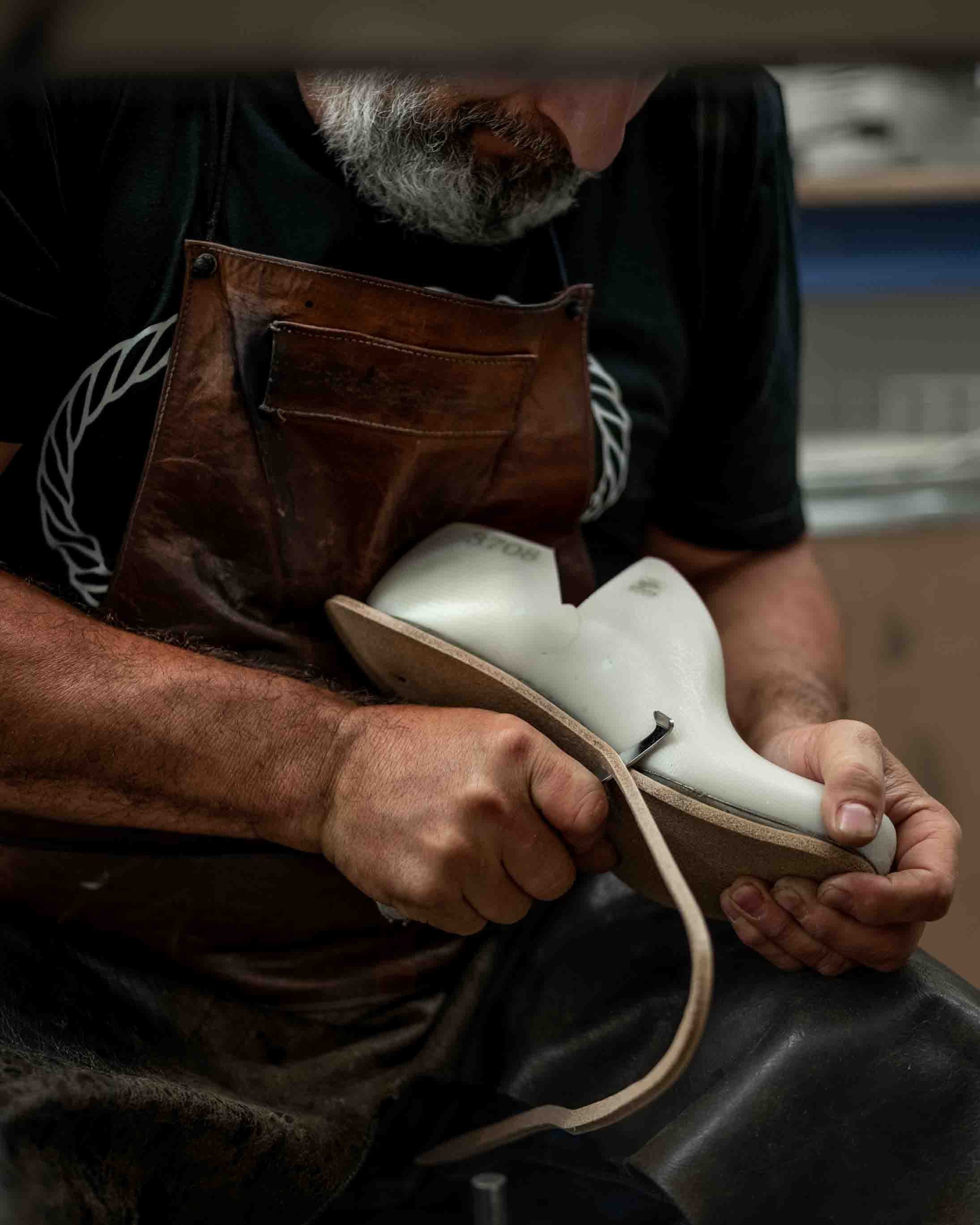
Making Boots One Pair At A Time
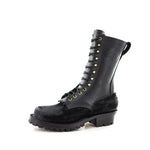
With the equipment, John was able to get started making boots along with continuing tailoring and shoe repair. The style he focused on was rooted in the Pacific Northwest tradition: tall, heavy-duty logger boots with a thick sole and a big heel, built for the brutal terrain that loggers and firefighters work in every day. This is a design that has been around for over 150 years and one that John learned to build during his early years after arriving in America.

The Decision to Go All In
As Will and Tim Khadzhi got older and more with the business, a bigger conversation started taking place. Shoe repair is a service business that is local by nature and has a capped potential. Tailoring is the same. Will said it plainly: they were going to work hard no matter what they did, so why not pick the vehicle with the highest ceiling?
Looking at brands like Red Wing and Danner that had been around for a long time and how they had grown gave them inspiration and living proof that a boot company could become something lasting and significant.
The decision was made and they dove in head first gradually winding down tailoring and shoe repair.
Going Public: Instagram, Phone Orders, and the Early Grind
This transition started in 2016, the JK Boots Instagram page was launched as well as a basic website. Tim, then a teenager, took on the role of getting the brand in front of the right people. He knew the core customer was the wildland firefighter so he went looking for them on Instagram. Finding pages that posted wildland firefighting content and offering a pair of boots in exchange for a repost.
It was grassroots but it worked. The shop phone number also there on the Instagram page and guys just started calling. They were answering calls and taking orders while physically making boots at the same bench and time. Phone on one side, boot in the middle, and shop line on the other.
Back then in those early days the website also didn't even have a proper checkout. Orders came in by phone and were processed manually. Moving to Shopify shortly after helped expand things even further as a real e-commerce platform to build on.
By 2019, the transition was complete and JK Boots was the full focus.
Crossing Seven Figures
In 2020, JK Boots crossed seven figures for the first time. Tim was only 19 and Will 22. This was when it started to fell real and they knew they could do something awesome with the business.
This all happened because of the approach with Instagram along with the aggressive approach of focusing on what problems they could solve for their core customer base. With their new designs and hard work, they started competing locally, people were finding them, trusting them, and buying through the phone or online.
Crossing seven figures wasn't just a financial milestone. It was confirmation that the vision John had carried across an ocean, through a foreclosure, through years of fixing zippers and repairing shoes, was real. The boot company he'd talked about at the dinner table was now a million dollar business and growing fast.
And this was just the start.
Leave a comment