How to Prep Your Boots for WinterAt JK Boots, we know the value of diligent care for our leather products. Winter conditions, particularly in northern regions, can be tough on boots, with salt and moisture being major culprits in boot wear. To keep our Superduty and O.T. line of work boots in top shape, it's crucial to clean, condition, and weatherproof them. Keeping Your Boot Protected This Winter Protecting your boots during winter doesn’t have to be complicated. Here's a straightforward guide to ensure you and ou...
Walking with JK Boots | Episode 2 | BootSpy"Walking with JK Boots" is an intriguing podcast that delves into the life of guests who've mastered the art of craftsmanship in their respective fields. In this episode, we dive into the real world of boots and business as we sit down with renowned boot journalist, William Barton, the founder of BootSpy.com. Since the very beginning, William has dedicated BootSpy as a space that delivers honest and unbiased content about the boot world with his extensive knowledge and personal e...
Roughout vs. Smooth LeatherAs you explore our range of distinguished boot models, you've probably noticed that some are crafted from roughout leather, boasting a slightly fuzzy appearance, while others showcase the sleekness of smooth leather. Some even combine both textures, offering a unique contrast. But, you might wonder, does the choice between roughout and smooth leather truly matter? Let's delve into the nuances to help you make an informed decision for your work boots. Demystifying Roughout Leather...
In-Stock vs. Custom BootsWhen it's time to pick up a new pair of boots, you've got two options: grab something off the shelf or get a pair made just for you. Each choice has its own pros and cons, depending on what you need and want. Here’s a straightforward breakdown to help you decide what’s best for you. In-Stock Boots: The Instant Choice In-stock boots are your go-to when you need something quick and easy. They're already made, available in standard sizes, and you can grab them off the shelf whenev...
Why Choosing Resolable Work Boots Is The Best Decision You'll Ever MakeWhen it comes to picking out work boots, there's more than just initial comfort and design to consider. The lifespan of the boot is a significant factor, and a key element here is whether the boot can be resoled. Let’s dive deep into why investing in boots that can be resoled is an astute choice for the long-haul. Pay Less Over Time with Resolable Boots While the initial cost of a boot may make you think twice, it's essential to consider the longevity and the expenses that accrue ov...
Understanding Oil Tanned LeatherLet’s chat about something called oil-tanned leather. People often use this term for leather that has been treated in a special way with oil. The oil isn’t used to tan the leather but is involved later on to give it a protective sheen that only gets better as it gets older, just like JK Boots’ famous Superduty boot. So, what do we actually mean with "oil-tanned leather," why do boot makers, like JK Boots, use it, and is it a good choice for boots? The Truth About Oil Tanned Leather E...
Is Bison Leather Good for Boots?Bison leather is stronger, thicker, more flexible, and more malleable than cow leather which makes it a superior leather for boots in most cases. The Titan of the Plains As the sun sets, picture yourself kicking back with a cool drink in hand, watching the sky fill with stunning shades of red and gold. In this peaceful scene, there stands a majestic figure in the open fields - the powerful bison, reaching a huge 6.5 feet at its shoulder and tipping the scales at over a ton. This aw...
Lug Sole Boots: What are the Pros and Cons?Fashion changes like the wind, but every once in a while, a style emerges that's here to stay. Enter: lug sole boots. These bad boys are iconic, with their rugged durability and superior traction cementing themselves in every blue collar workers closet. If you're all about that mix of comfort and safety, keep reading. We're about to dive deep into the world of lug sole boots – their history, their perks, the price tag, and how to snag the best pair for you. Here at JK Boots, our...
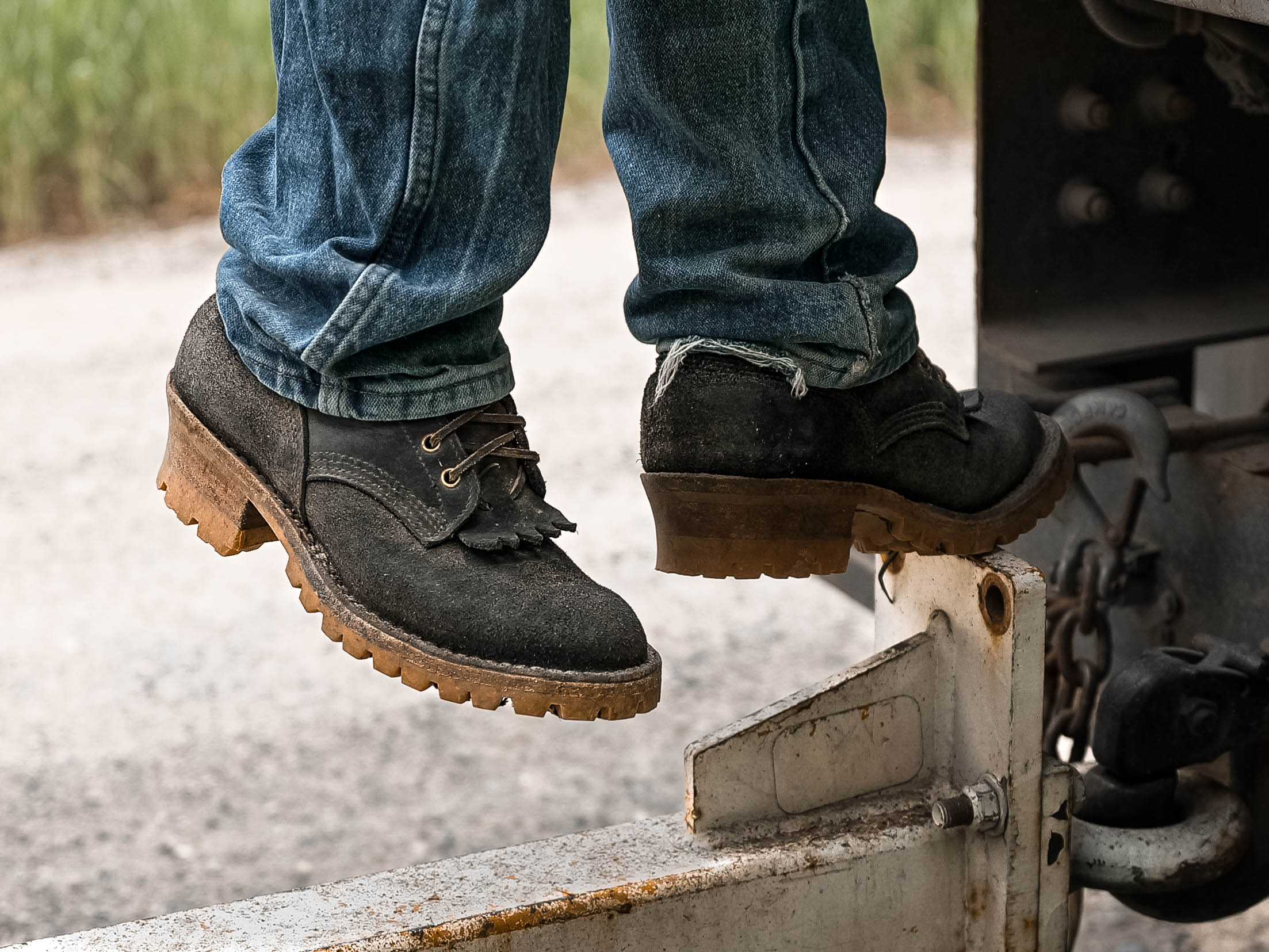
What are Kilties?Kilties are protective flaps placed under the laces to shield the boot's tongue from wear and friction caused by lacing. The Undeniable Benefits of Kilties for Work Boots Ever noticed a flap underneath the laces of some work boots and wondered what it's for? Meet the kilties. In the work boot universe, kilties, or false tongues, play a key role in enhancing the footwear experience. Diving deep into the benefits of kilties for work boots, this article will detail the importance of ...
What Are the Longest Lasting Work Boots?The longest lasting work boot is the JK Superduty. If you want to know how we came up with that answer, keep reading. Are There Any Work Boots That Can Last 10 Years? Determining the lifespan of work boots isn’t straightforward. Sifting through reviews will lead to a plethora of experiences from different people, but those are not absolute guarantees of what your experience will be. However, the brands and designs known for durability share common attributes, indicating meticulous crafts...
Can You Write Off Your Work Boots?Yes, work boots can be tax deductible if they are explicitly required by your employer or business for safety or regulatory reasons and are primarily used exclusively for work-related purposes. Work Boots as a Requirement In various industries, federal regulations, often governed by bodies like OSHA, mandate the use of protective gear, including specialized work boots. The regulations encompass scenarios where hazards, such as the risk of electrical shock or stepping on a nail, are present...
Leather vs Steel Shank: Why JK Uses Leather Shanks in Our BootsMost work boots have something called a “shank” through the arch of the boot. You’ll never see it -- it’s just something boot makers add to boost the stability of the boot and make the arch support stronger. For most decent boots, you’ll find a steel shank. That’s the industry standard, and it makes a world of difference compared to boots with no shank at all. But at JK Boots, almost all of our boots use a leather shank instead of steel. Why do we break the mold and use leather instea...
How Handmade Boots are MadeIt Starts with American Leather We think an American boot should be made with American leather. Makes sense, right? There are a few legendary tanneries left in the USA---the two most notable are Seidel Tanning Co in Milwaukee, and Horween Tanning Co just outside of Chicago. You can find some other American tanneries that focus on dress leathers, but for work boots, Seidel makes the toughest hide there is. So naturally, that’s what we use for JK Boots. The three main types of leather to know f...
The Story of John KhadzhiI wasn’t even born yet when my dad started JK Boots. But there are some truths about how we hand-craft each pair of boots that runs through our workshop today that have been in place since 1994, when JK began. Sure, I can sit here and tell you that we strive to make the best boots in the world, or that we select the best materials. But doesn’t every brand say the same thing? (We actually do those things, but that’s beside the point).I thought it was important to tell the story of JK instead. ...
Work Boots and Construction: What Kind of Boots Work Best?Handcrafted, quality work boots are often designed for fairly specific roles, unlike the average pair of off-the-shelf work boots, and picking the proper boots can make your working life much easier. JK Boots know that a wildland firefighter will need a completely different set of features on their boots than someone working on beams or hard, flat surfaces. With years of experience handcrafting boots that’ll handle anything the Northwest can offer, we know the right boot for the job matters....
Work Boots vs. Dress Boots: What Are the Major DifferencesWork boots and dress boots have very different characteristics from each other, despite looking quite similar. As a rule, you wouldn’t be able to work in dress boots for long as they don’t have the safety features of a work boot. You certainly wouldn’t be allowed to wear dress boots on a work site as they don’t meet safety regulations. As for wearing your work boots as dress boots—that depends on how often you’ve worn them to work. Some brand-new work boots can pass as a dress boot, albeit ...







 How to Prep Your Boots for Winter
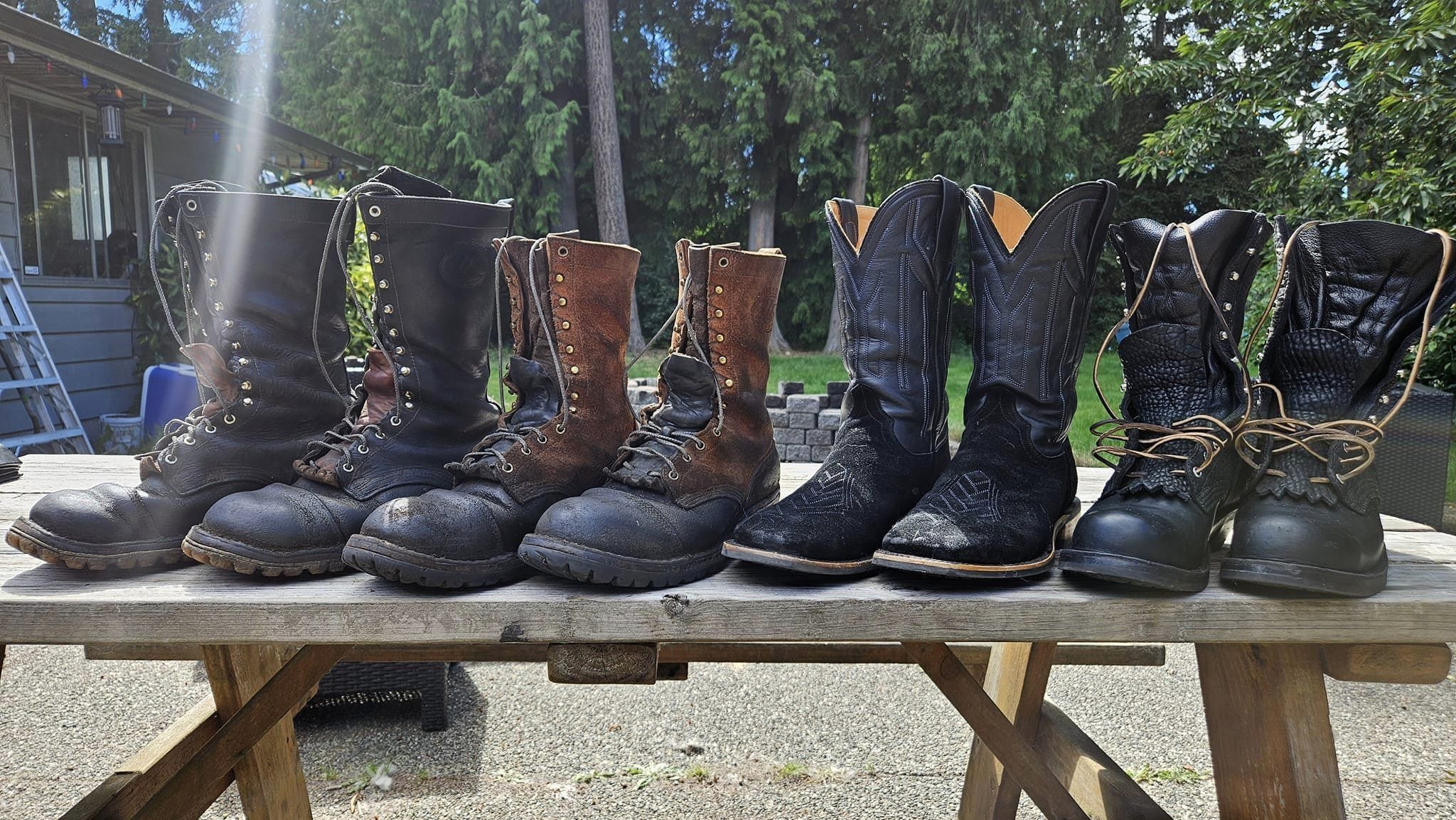
At JK Boots, we know the value of diligent care for our leather products. Winter conditions, particularly in northern regions, can be tough on boots, with salt and moisture being major culprits in boot wear. To keep our Superduty and O.T. line of work boots in top shape, it's crucial to clean, condition, and weatherproof them. Keeping Your Boot Protected This Winter Protecting your boots during winter doesn’t have to be complicated. Here's a straightforward guide to ensure you and ou...
How to Prep Your Boots for Winter
At JK Boots, we know the value of diligent care for our leather products. Winter conditions, particularly in northern regions, can be tough on boots, with salt and moisture being major culprits in boot wear. To keep our Superduty and O.T. line of work boots in top shape, it's crucial to clean, condition, and weatherproof them. Keeping Your Boot Protected This Winter Protecting your boots during winter doesn’t have to be complicated. Here's a straightforward guide to ensure you and ou...
 Walking with JK Boots | Episode 2 | BootSpy
"Walking with JK Boots" is an intriguing podcast that delves into the life of guests who've mastered the art of craftsmanship in their respective fields. In this episode, we dive into the real world of boots and business as we sit down with renowned boot journalist, William Barton, the founder of BootSpy.com. Since the very beginning, William has dedicated BootSpy as a space that delivers honest and unbiased content about the boot world with his extensive knowledge and personal e...
Walking with JK Boots | Episode 2 | BootSpy
"Walking with JK Boots" is an intriguing podcast that delves into the life of guests who've mastered the art of craftsmanship in their respective fields. In this episode, we dive into the real world of boots and business as we sit down with renowned boot journalist, William Barton, the founder of BootSpy.com. Since the very beginning, William has dedicated BootSpy as a space that delivers honest and unbiased content about the boot world with his extensive knowledge and personal e...
 Roughout vs. Smooth Leather
As you explore our range of distinguished boot models, you've probably noticed that some are crafted from roughout leather, boasting a slightly fuzzy appearance, while others showcase the sleekness of smooth leather. Some even combine both textures, offering a unique contrast. But, you might wonder, does the choice between roughout and smooth leather truly matter? Let's delve into the nuances to help you make an informed decision for your work boots. Demystifying Roughout Leather...
Roughout vs. Smooth Leather
As you explore our range of distinguished boot models, you've probably noticed that some are crafted from roughout leather, boasting a slightly fuzzy appearance, while others showcase the sleekness of smooth leather. Some even combine both textures, offering a unique contrast. But, you might wonder, does the choice between roughout and smooth leather truly matter? Let's delve into the nuances to help you make an informed decision for your work boots. Demystifying Roughout Leather...
 In-Stock vs. Custom Boots
When it's time to pick up a new pair of boots, you've got two options: grab something off the shelf or get a pair made just for you. Each choice has its own pros and cons, depending on what you need and want. Here’s a straightforward breakdown to help you decide what’s best for you. In-Stock Boots: The Instant Choice In-stock boots are your go-to when you need something quick and easy. They're already made, available in standard sizes, and you can grab them off the shelf whenev...
In-Stock vs. Custom Boots
When it's time to pick up a new pair of boots, you've got two options: grab something off the shelf or get a pair made just for you. Each choice has its own pros and cons, depending on what you need and want. Here’s a straightforward breakdown to help you decide what’s best for you. In-Stock Boots: The Instant Choice In-stock boots are your go-to when you need something quick and easy. They're already made, available in standard sizes, and you can grab them off the shelf whenev...
 Why Choosing Resolable Work Boots Is The Best Decision You'll Ever Make
When it comes to picking out work boots, there's more than just initial comfort and design to consider. The lifespan of the boot is a significant factor, and a key element here is whether the boot can be resoled. Let’s dive deep into why investing in boots that can be resoled is an astute choice for the long-haul. Pay Less Over Time with Resolable Boots While the initial cost of a boot may make you think twice, it's essential to consider the longevity and the expenses that accrue ov...
Why Choosing Resolable Work Boots Is The Best Decision You'll Ever Make
When it comes to picking out work boots, there's more than just initial comfort and design to consider. The lifespan of the boot is a significant factor, and a key element here is whether the boot can be resoled. Let’s dive deep into why investing in boots that can be resoled is an astute choice for the long-haul. Pay Less Over Time with Resolable Boots While the initial cost of a boot may make you think twice, it's essential to consider the longevity and the expenses that accrue ov...
 Understanding Oil Tanned Leather
Let’s chat about something called oil-tanned leather. People often use this term for leather that has been treated in a special way with oil. The oil isn’t used to tan the leather but is involved later on to give it a protective sheen that only gets better as it gets older, just like JK Boots’ famous Superduty boot. So, what do we actually mean with "oil-tanned leather," why do boot makers, like JK Boots, use it, and is it a good choice for boots? The Truth About Oil Tanned Leather E...
Understanding Oil Tanned Leather
Let’s chat about something called oil-tanned leather. People often use this term for leather that has been treated in a special way with oil. The oil isn’t used to tan the leather but is involved later on to give it a protective sheen that only gets better as it gets older, just like JK Boots’ famous Superduty boot. So, what do we actually mean with "oil-tanned leather," why do boot makers, like JK Boots, use it, and is it a good choice for boots? The Truth About Oil Tanned Leather E...
 Is Bison Leather Good for Boots?
Bison leather is stronger, thicker, more flexible, and more malleable than cow leather which makes it a superior leather for boots in most cases. The Titan of the Plains As the sun sets, picture yourself kicking back with a cool drink in hand, watching the sky fill with stunning shades of red and gold. In this peaceful scene, there stands a majestic figure in the open fields - the powerful bison, reaching a huge 6.5 feet at its shoulder and tipping the scales at over a ton. This aw...
Is Bison Leather Good for Boots?
Bison leather is stronger, thicker, more flexible, and more malleable than cow leather which makes it a superior leather for boots in most cases. The Titan of the Plains As the sun sets, picture yourself kicking back with a cool drink in hand, watching the sky fill with stunning shades of red and gold. In this peaceful scene, there stands a majestic figure in the open fields - the powerful bison, reaching a huge 6.5 feet at its shoulder and tipping the scales at over a ton. This aw...
 Lug Sole Boots: What are the Pros and Cons?
Fashion changes like the wind, but every once in a while, a style emerges that's here to stay. Enter: lug sole boots. These bad boys are iconic, with their rugged durability and superior traction cementing themselves in every blue collar workers closet. If you're all about that mix of comfort and safety, keep reading. We're about to dive deep into the world of lug sole boots – their history, their perks, the price tag, and how to snag the best pair for you. Here at JK Boots, our...
Lug Sole Boots: What are the Pros and Cons?
Fashion changes like the wind, but every once in a while, a style emerges that's here to stay. Enter: lug sole boots. These bad boys are iconic, with their rugged durability and superior traction cementing themselves in every blue collar workers closet. If you're all about that mix of comfort and safety, keep reading. We're about to dive deep into the world of lug sole boots – their history, their perks, the price tag, and how to snag the best pair for you. Here at JK Boots, our...
 What are Kilties?
Kilties are protective flaps placed under the laces to shield the boot's tongue from wear and friction caused by lacing. The Undeniable Benefits of Kilties for Work Boots Ever noticed a flap underneath the laces of some work boots and wondered what it's for? Meet the kilties. In the work boot universe, kilties, or false tongues, play a key role in enhancing the footwear experience. Diving deep into the benefits of kilties for work boots, this article will detail the importance of ...
What are Kilties?
Kilties are protective flaps placed under the laces to shield the boot's tongue from wear and friction caused by lacing. The Undeniable Benefits of Kilties for Work Boots Ever noticed a flap underneath the laces of some work boots and wondered what it's for? Meet the kilties. In the work boot universe, kilties, or false tongues, play a key role in enhancing the footwear experience. Diving deep into the benefits of kilties for work boots, this article will detail the importance of ...
 What Are the Longest Lasting Work Boots?
The longest lasting work boot is the JK Superduty. If you want to know how we came up with that answer, keep reading. Are There Any Work Boots That Can Last 10 Years? Determining the lifespan of work boots isn’t straightforward. Sifting through reviews will lead to a plethora of experiences from different people, but those are not absolute guarantees of what your experience will be. However, the brands and designs known for durability share common attributes, indicating meticulous crafts...
What Are the Longest Lasting Work Boots?
The longest lasting work boot is the JK Superduty. If you want to know how we came up with that answer, keep reading. Are There Any Work Boots That Can Last 10 Years? Determining the lifespan of work boots isn’t straightforward. Sifting through reviews will lead to a plethora of experiences from different people, but those are not absolute guarantees of what your experience will be. However, the brands and designs known for durability share common attributes, indicating meticulous crafts...
 Can You Write Off Your Work Boots?
Yes, work boots can be tax deductible if they are explicitly required by your employer or business for safety or regulatory reasons and are primarily used exclusively for work-related purposes. Work Boots as a Requirement In various industries, federal regulations, often governed by bodies like OSHA, mandate the use of protective gear, including specialized work boots. The regulations encompass scenarios where hazards, such as the risk of electrical shock or stepping on a nail, are present...
Can You Write Off Your Work Boots?
Yes, work boots can be tax deductible if they are explicitly required by your employer or business for safety or regulatory reasons and are primarily used exclusively for work-related purposes. Work Boots as a Requirement In various industries, federal regulations, often governed by bodies like OSHA, mandate the use of protective gear, including specialized work boots. The regulations encompass scenarios where hazards, such as the risk of electrical shock or stepping on a nail, are present...
 Leather vs Steel Shank: Why JK Uses Leather Shanks in Our Boots
Most work boots have something called a “shank” through the arch of the boot. You’ll never see it -- it’s just something boot makers add to boost the stability of the boot and make the arch support stronger. For most decent boots, you’ll find a steel shank. That’s the industry standard, and it makes a world of difference compared to boots with no shank at all. But at JK Boots, almost all of our boots use a leather shank instead of steel. Why do we break the mold and use leather instea...
Leather vs Steel Shank: Why JK Uses Leather Shanks in Our Boots
Most work boots have something called a “shank” through the arch of the boot. You’ll never see it -- it’s just something boot makers add to boost the stability of the boot and make the arch support stronger. For most decent boots, you’ll find a steel shank. That’s the industry standard, and it makes a world of difference compared to boots with no shank at all. But at JK Boots, almost all of our boots use a leather shank instead of steel. Why do we break the mold and use leather instea...
 How Handmade Boots are Made
It Starts with American Leather We think an American boot should be made with American leather. Makes sense, right? There are a few legendary tanneries left in the USA---the two most notable are Seidel Tanning Co in Milwaukee, and Horween Tanning Co just outside of Chicago. You can find some other American tanneries that focus on dress leathers, but for work boots, Seidel makes the toughest hide there is. So naturally, that’s what we use for JK Boots. The three main types of leather to know f...
How Handmade Boots are Made
It Starts with American Leather We think an American boot should be made with American leather. Makes sense, right? There are a few legendary tanneries left in the USA---the two most notable are Seidel Tanning Co in Milwaukee, and Horween Tanning Co just outside of Chicago. You can find some other American tanneries that focus on dress leathers, but for work boots, Seidel makes the toughest hide there is. So naturally, that’s what we use for JK Boots. The three main types of leather to know f...
 The Story of John Khadzhi
I wasn’t even born yet when my dad started JK Boots. But there are some truths about how we hand-craft each pair of boots that runs through our workshop today that have been in place since 1994, when JK began. Sure, I can sit here and tell you that we strive to make the best boots in the world, or that we select the best materials. But doesn’t every brand say the same thing? (We actually do those things, but that’s beside the point).I thought it was important to tell the story of JK instead. ...
The Story of John Khadzhi
I wasn’t even born yet when my dad started JK Boots. But there are some truths about how we hand-craft each pair of boots that runs through our workshop today that have been in place since 1994, when JK began. Sure, I can sit here and tell you that we strive to make the best boots in the world, or that we select the best materials. But doesn’t every brand say the same thing? (We actually do those things, but that’s beside the point).I thought it was important to tell the story of JK instead. ...
 Work Boots and Construction: What Kind of Boots Work Best?
Handcrafted, quality work boots are often designed for fairly specific roles, unlike the average pair of off-the-shelf work boots, and picking the proper boots can make your working life much easier. JK Boots know that a wildland firefighter will need a completely different set of features on their boots than someone working on beams or hard, flat surfaces. With years of experience handcrafting boots that’ll handle anything the Northwest can offer, we know the right boot for the job matters....
Work Boots and Construction: What Kind of Boots Work Best?
Handcrafted, quality work boots are often designed for fairly specific roles, unlike the average pair of off-the-shelf work boots, and picking the proper boots can make your working life much easier. JK Boots know that a wildland firefighter will need a completely different set of features on their boots than someone working on beams or hard, flat surfaces. With years of experience handcrafting boots that’ll handle anything the Northwest can offer, we know the right boot for the job matters....
 Work Boots vs. Dress Boots: What Are the Major Differences
Work boots and dress boots have very different characteristics from each other, despite looking quite similar. As a rule, you wouldn’t be able to work in dress boots for long as they don’t have the safety features of a work boot. You certainly wouldn’t be allowed to wear dress boots on a work site as they don’t meet safety regulations. As for wearing your work boots as dress boots—that depends on how often you’ve worn them to work. Some brand-new work boots can pass as a dress boot, albeit ...
Work Boots vs. Dress Boots: What Are the Major Differences
Work boots and dress boots have very different characteristics from each other, despite looking quite similar. As a rule, you wouldn’t be able to work in dress boots for long as they don’t have the safety features of a work boot. You certainly wouldn’t be allowed to wear dress boots on a work site as they don’t meet safety regulations. As for wearing your work boots as dress boots—that depends on how often you’ve worn them to work. Some brand-new work boots can pass as a dress boot, albeit ...


