


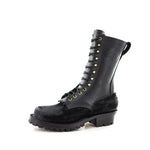
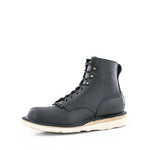
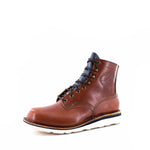




Why Logger Boots Have High Heels (And Why It Still Matters Today)
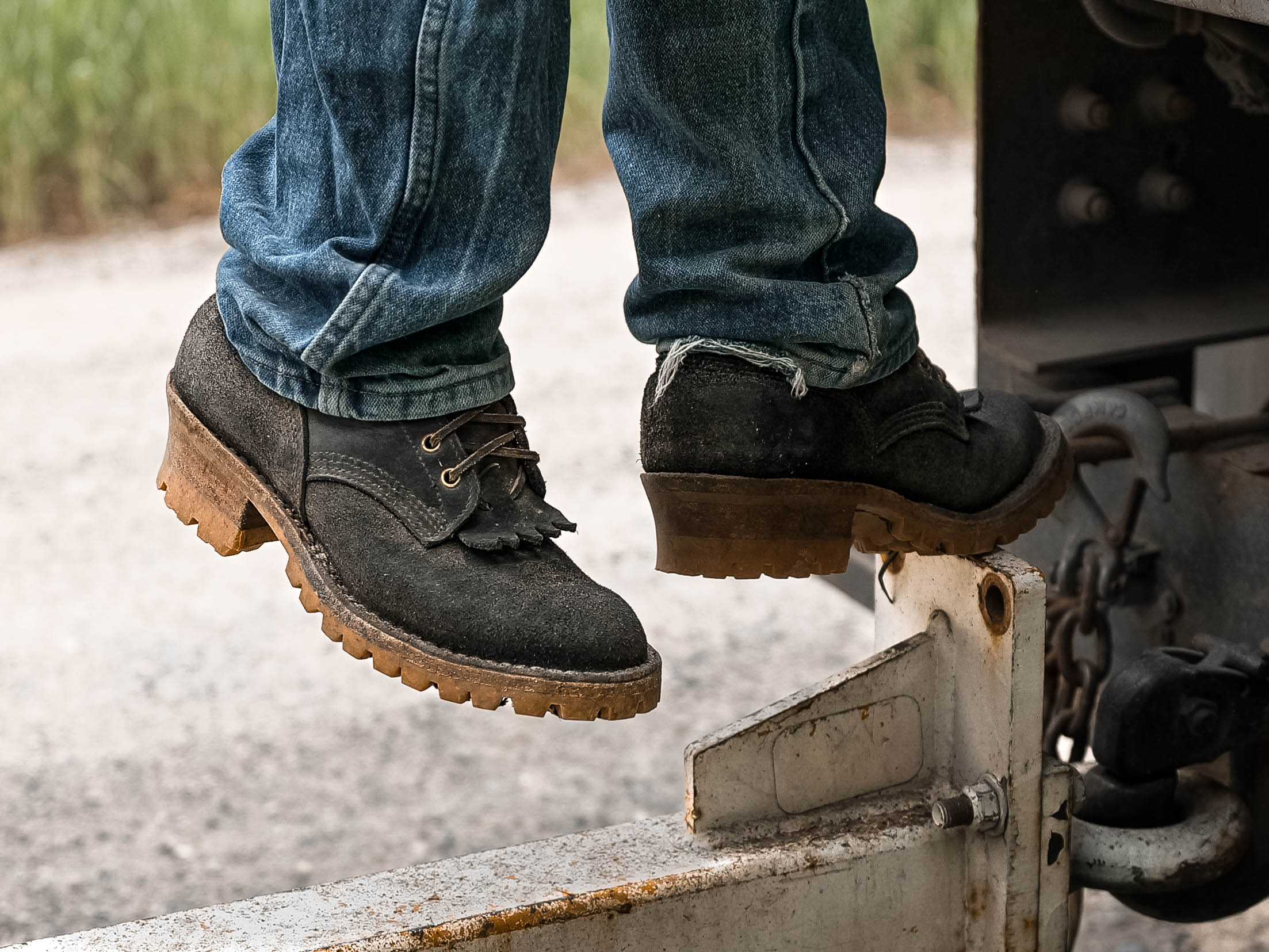
When looking at a logger boot, one of the first things that some people usually notice is the heel. It’s taller than what you could be used to, so naturally, the question would come up: why is it built this way? To answer that question, we are going to dive into the history of the logger heel, the function, what terrain has to do with it, and how it affects long-term comfort.

A Look Back at the History
To start we have to go back a few hundred years from the first settlers arriving in the US. These early settlers started on the east coast, settling, building towns and logging, continuing for hundreds of years and moving west. As they continued and expanded into rougher, more rugged territory and steeper mountains, they needed something that was more than just a shoe.
The Logger Heel as a Tool
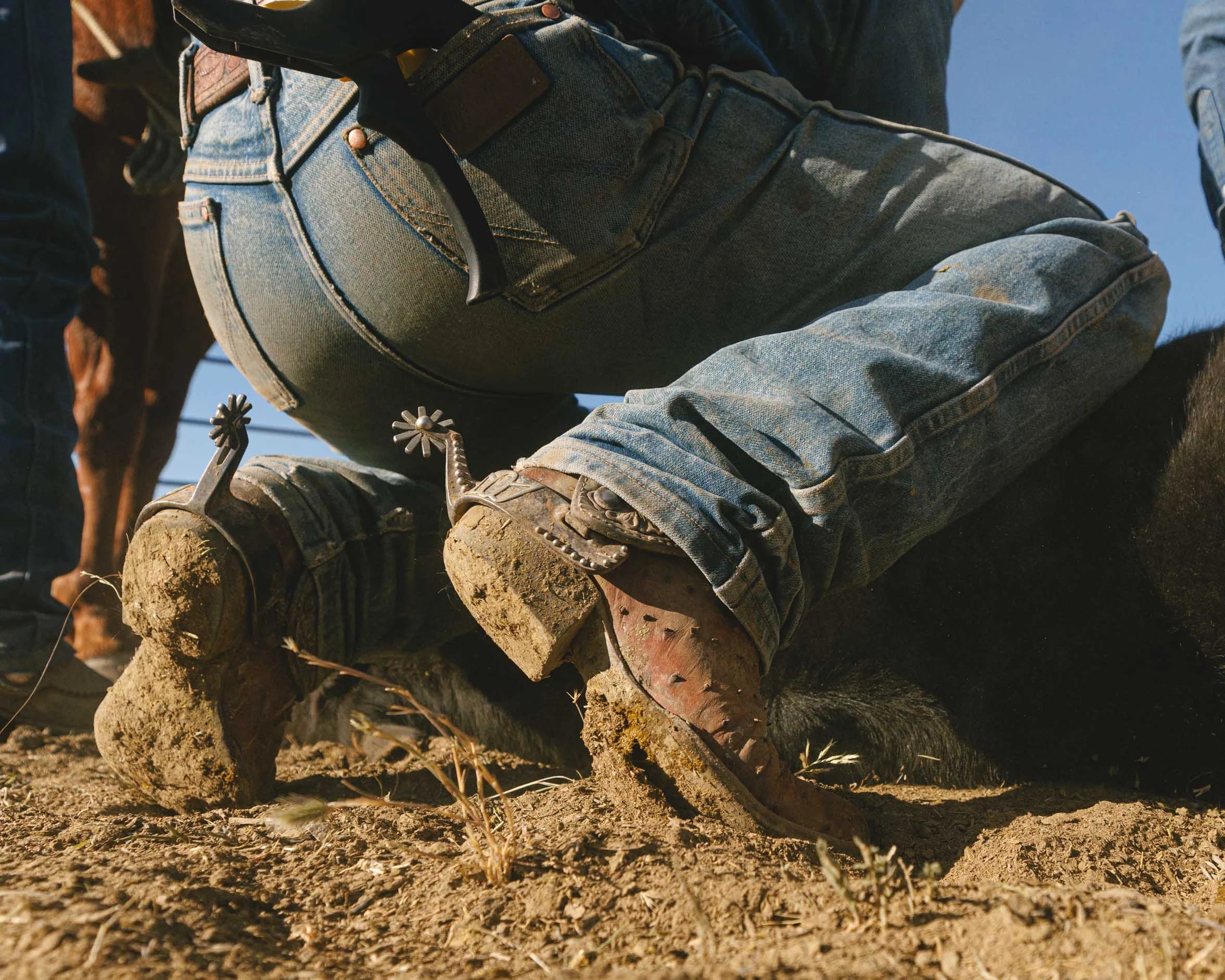
At its core, the logger heel acts as a tool. On uneven ground, especially when you’re climbing or descending, that heel can dig into the terrain and give you a higher level of stability than that of a shoe with a flat sole. It helps with traction, balance, and control which are critical whether you’re one of those early loggers or a modern wildland firefighter working in similar conditions. Having that extra edge under your foot can make a real difference when you’re in steep and unpredictable environments.

How Terrain Shapes the Design
There’s also a regional aspect to the logger heel. Up here in the Pacific Northwest for example, we have very tall and very steep mountains. And not just in this one area but the entire west coast has large mountain ranges and very tough terrain. Here the logger heel is more common than in other places with different terrain. In the east coast where logging has become less prominent and while there are still mountains it is flatter in more places, there is a little less recognition for this particular type of heel. This difference is interesting to look at but it really just comes down to the environment and work being done.
Support, Comfort, and Why It Still Matters
Beyond the basic function of how it can help with stability in different terrain, another important aspect of a tall heel is how it works together with proper arch support. In a boot like our flagship model, the Superduty, the heel and arch are designed to complement each other. The raised heel allows your foot to sit in a more natural, supported position rather than flattening out under pressure. This support helps distribute weight more evenly across your foot rather than concentrating it in just one area.

This is great for people who spend long hours on their feet either in rough terrain or even hard surfaces like concrete. It’s not uncommon for us to hear about reduced foot fatigue, less strain on knees and hips, and overall better comfort throughout the day. Your whole body benefits when the foundation that is your foot is well supported. It is important to mention that this style of boot isn’t for everyone. Some people prefer a flatter sole or a zero-drop design depending on their foot shape for personal comfort.
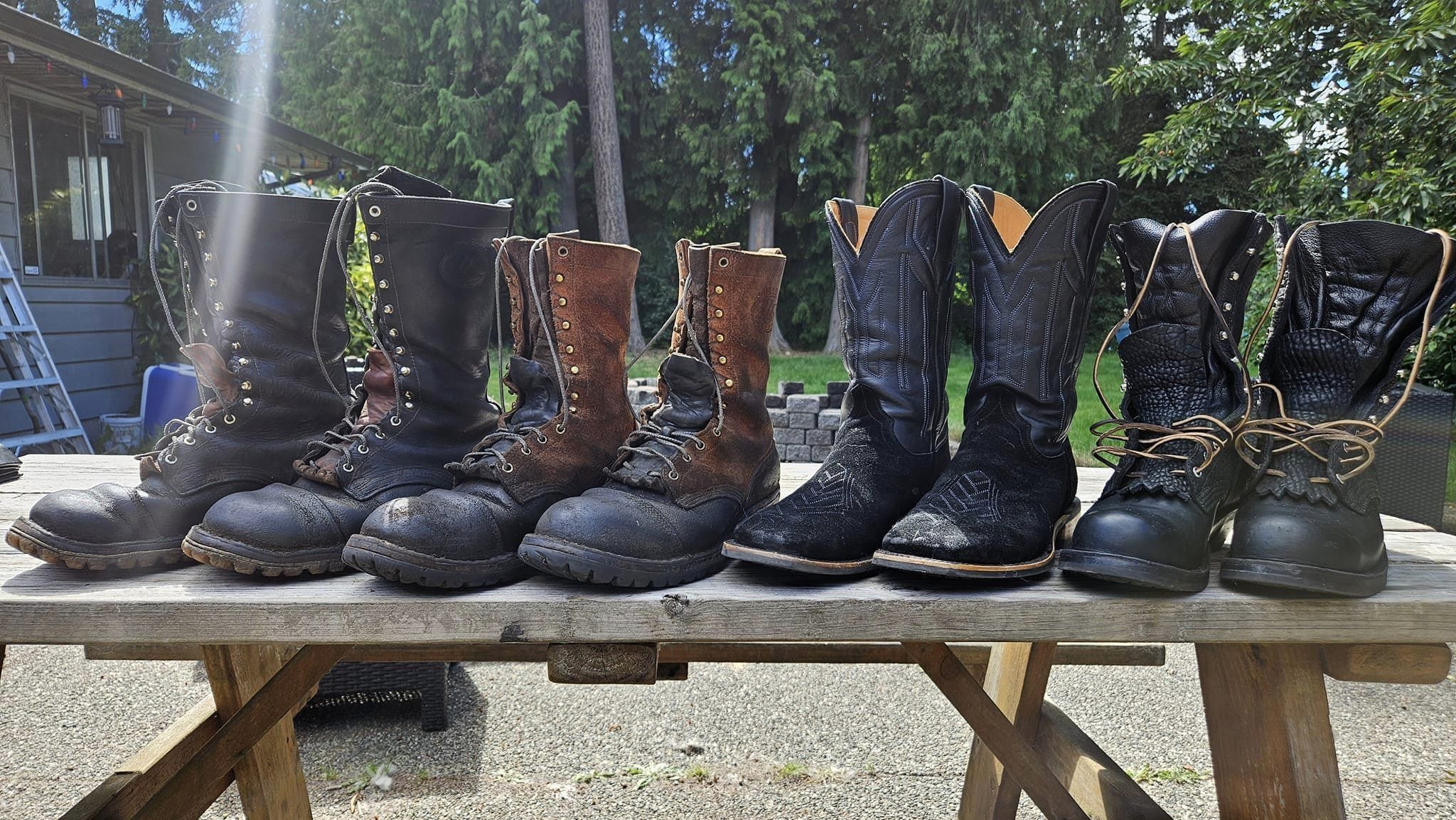
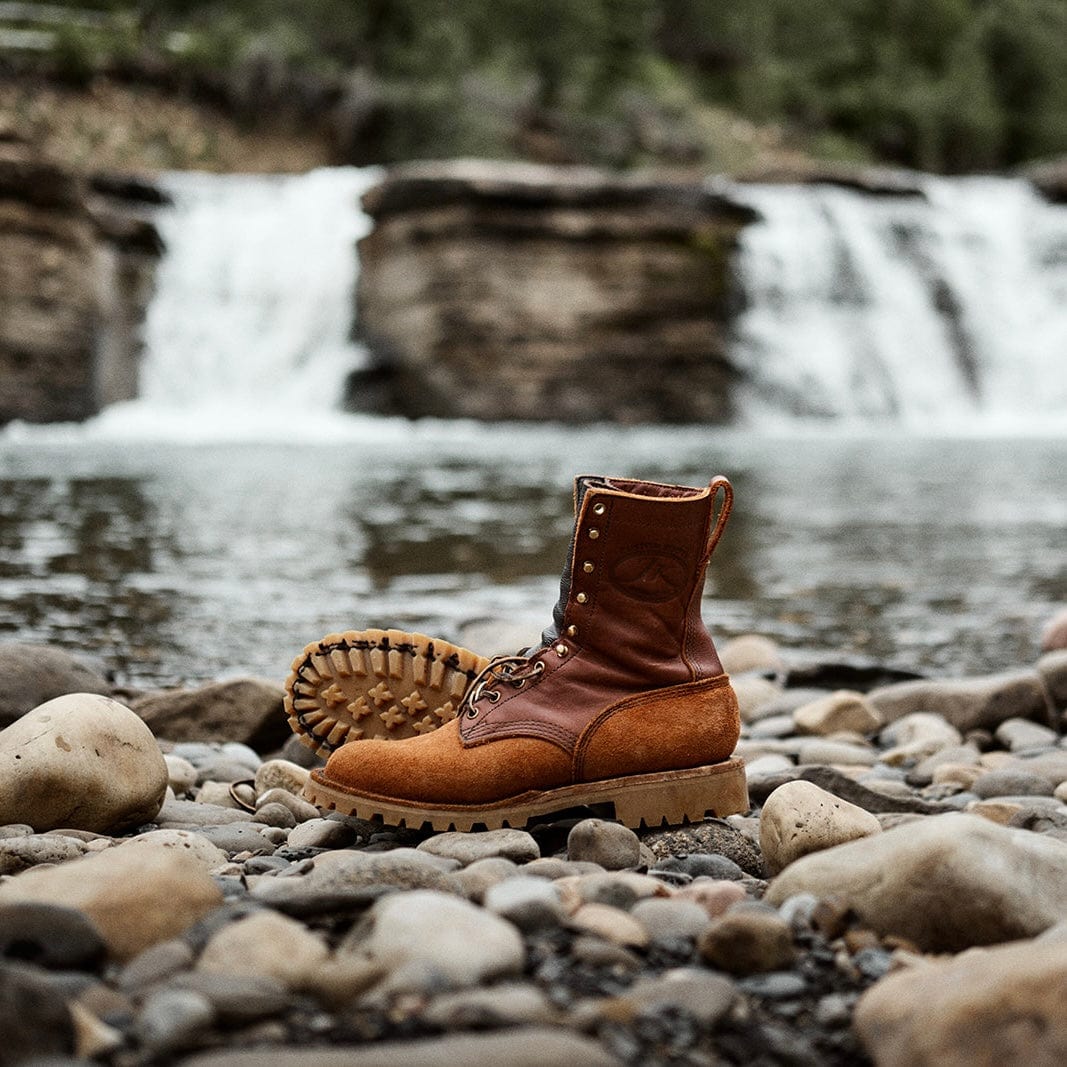
Even though this design could be considered more old school, there is a reason it has stuck around for so long. It just works. It brings together function, durability, and comfort in a way that has been practically proven. This is why we design our Superduty and Fire Inlander boots this way and one of the reasons it is such a great boot, so definitely check it out.
If this was your introduction to logger boots, there are lots of great resources to learn more about it as this is a topic we believe is well worth learning more about. We also have a video breakdown about this for you to watch or any of our other videos to learn more.
Leave a comment