












Should You Rebuild or Resole Your Work Boots?
When your work boots start showing heavy wear, a great question to ask is whether you need a full rebuild or just a resole. It can be challenging to pick one as it's not always the most obvious, especially when a pair looks fairly beat up on the outside. The good news is there's a straightforward way to evaluate your boots and make the right decision.


Let's Start With The Basics
A resole is the simpler of the two options. This process focuses on replacing the worn-out rubber outsole while keeping the rest of the boot intact. That includes removing the old sole, cleaning up things down to the midsole, and attaching a new sole, heel base, and stitching. In some cases, minor leather components may be replaced, but overall, the structure of the boot stays the same. It's a great option when the upper part of the boot is still in solid condition.
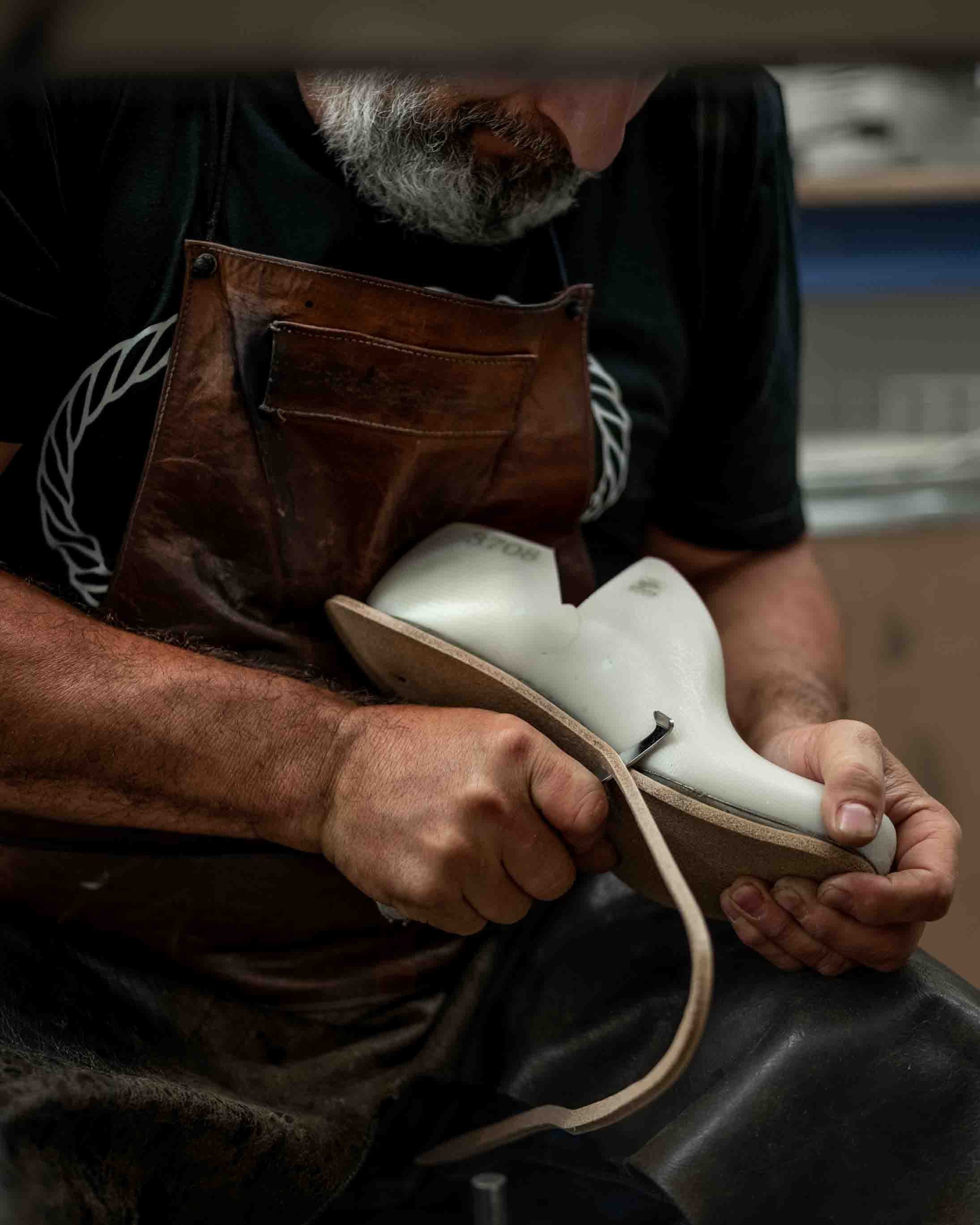
A rebuild on the other hand is a more involved process. It essentially means removing everything all the way to the uppers (the quarters) and rebuilding it with entirely new components: a new vamp, insole, midsole, heel counter, and more. It's essentially almost like a new boot built around your broken-in uppers. Because of the labor and material involved, rebuilds take more time and usually cost more than a standard resole.
How to Know Which One You Need?
A good rule of thumb we like to use is a simple three-point inspection.
First, check the insole. This is inside the boot where your foot rests on. So you can place your hand in your boot and if it feels cracked, uneven, or pieces of it are missing, you might need a rebuild. A resole doesn't touch any of the inside of the boot so a situation you want to avoid would be getting a resole and then a couple months later having to do a full rebuild because the insole was bad. So this can save you some time and money.
Second, you want to look at the welt. The welt is the edge or lip area around the boot. This is where the sole is stitched on to the boot. What you want to look at is if this area is excessively worn down and almost flush with the vamp. If it is too worn down or damaged that means there may not be enough material let to properly stitch on a new sole. In this case a rebuild is the better option.
Third, inspect the vamp, other lower leather areas, and the tongue of the boot. If you're seeing deep cracks, holes, or significant damage around the toe box, tongue, or heel counter, you will most likely be needing a rebuild. Resoling won't fix any of these structural issues so similar to the insole you want to take care of these before they get worse over time.

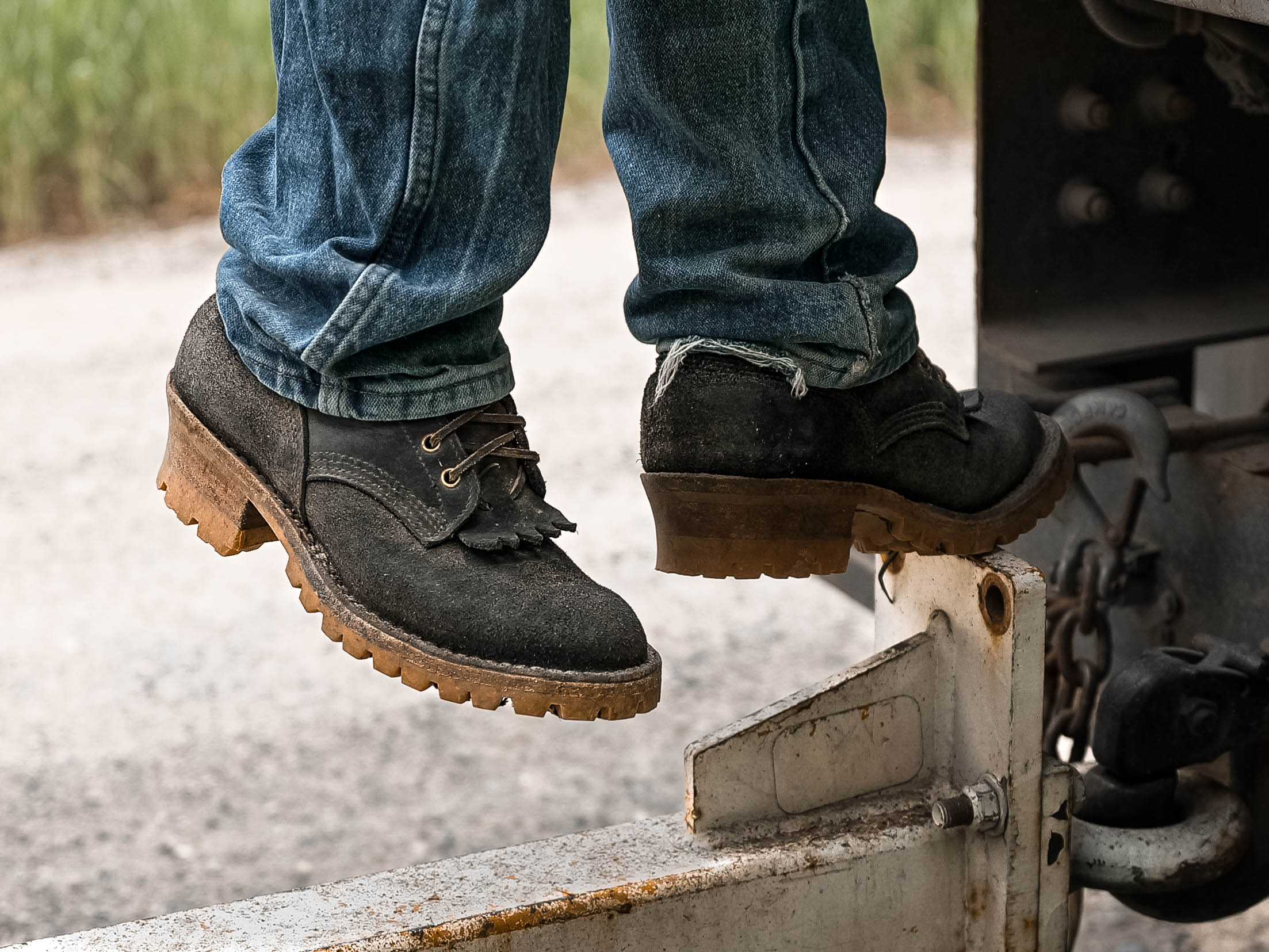
If you've gone over all three of these areas and they still look solid, even if the soles are completely worn down, a resole is likely all you need. At a first glance, some boots might look really rough and dirty on the outside but are still structurally sound. The amount of wear that the sole should have is mainly just personal preference. If it still has grip and has tread on it then it might not be time for a resole yet but if it's clearly just all worn down and bald then it's clear it's time for a resole. You also do want to be careful about not letting the wear go all the way into the leather midsole.
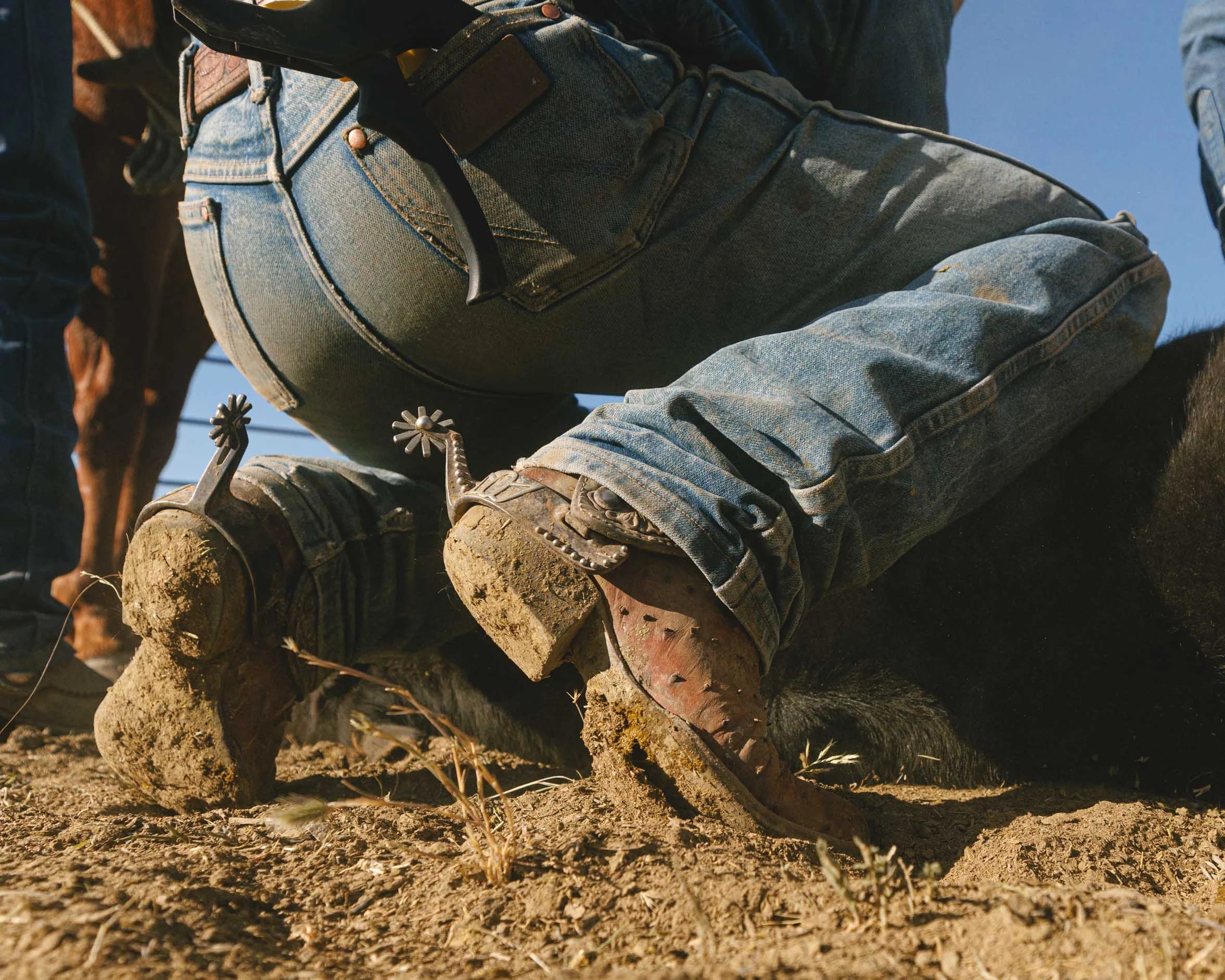
Timing also plays a role in when you need to rebuild or resole your boots. The average for resoles is around 12 to 18 months, depending on how often and where you wear your boots. Rebuilds typically happen somewhere between 2.5 to 3.5 years of daily use. Although again that can vary widely based on conditions and maintenance. With proper maintenance and care it is possible to extend the time before a rebuild. The environment does play a big role as well, with rough terrain, sharp rocks, and heavy daily use wearing the boots down faster.

At the end of the day, the goal is to be able to know when to either rebuild or resole your boots before they are too damaged. Waiting too long can limit which options you can choose, sometimes even to the point where even a rebuild isn't possible. So trust your intuition, follow the three point checklist, and feel free to ask any questions.
🔗 Visit our repairs page to learn more and take our rebuild and resole assessments.
If you want to watch a full walkthrough on these steps with visual examples, be sure to watch the video below for a more in-depth breakdown.
Just looking to glue the half sole that is loose on a simple plain leather lady ’s daily wear shoe. Look forward to your reply.
Just looking to glue the half sole that is loose on a simple plain leather lady ’s daily wear shoe. Look forward to your reply.
Leave a comment