









JK Boots: Your Top Questions Answered Part 2
If you read part 1, you already know we covered some common questions around materials, construction and overall build of our boots. But there are still a lot of other important questions to cover. In this second part, we'll dive more into some day to day questions like laces, maintenance, and whether handmade boots are really worth the investment. So let's get right into it.
“Nylon” or “Leather” boot laces?
So I have some personal bias and opinion on this so I’ll just lay it out here. I like nylon laces, not leather laces. I believe nylon laces are way easier to lace up and they don’t get stiff or snap. It’s never hard to lace up and when you have good quality nylon laces they can last a really long time. On the other hand with leather laces, they hold together really well, so once you tighten your boot up it’s not going to get loose. They also last a really long time. The cons are they can snap because they are leather and they are very stiff so sometimes it’s difficult trying to pull them tight. For nylon laces it’s way easier to lace up although they could come loose throughout the day. Nylon laces also do wear out your eyelets a little faster, so that is a trade-off. It does come down to what you’re looking for but I do prefer nylon laces over leather laces.

Why are JK Boots not waterproof?
So our boots are weatherproof, but they are not 100% waterproof. The reason for that is a fully leather built boot will never be fully waterproof because it is made of leather. They can get very close though. When going through customer feedback we’ve never heard of anyone saying that our boots leak or they got mud, dust, grime, or sand inside their boots. This is because of the high quality material and build and quality control that we use to build our boots. The only times boots get actually wet is when someone has been standing in water or is in rain for extended periods of time. This is caused by water penetrating the leather itself because of the type of material leather is. Adding a layer of grease to your boots to have water run off can get you pretty close to waterproof as well. If you want a fully waterproof boot, then a rubber muck boot would be what you need. So we can’t say our boots are 100% waterproof but they are really close, like 99% there. If you’re looking for an incredibly comfortable boot that looks and feels good and can withstand pretty much any other condition then you can find that in a pair of JK Boots. They are extremely weatherproof but not fully waterproof because they are fully made of leather. If you need 100% waterproof then you have to get rubber boots.

Do I actually need handmade work boots? Is the investment worth it?
Yes! This is the short answer. For the long answer, yes, and there’s a lot of ways to look at this. The two principles that a lot of us can relate to are “you get what you pay for” and “buy now, cry later”. So you can buy cheaper pairs where the price might be easier to swallow in the moment, but you’re sacrificing on many things in the future as well as even some things now. You’re sacrificing comfort, longevity, safety, and security. We frequently hear from our customers that “Yeah I bought $150 boots but I bought four pairs this year, or three pairs and my back and knees hurt, I tore the stitching out, and the safety toe is falling out”. Instead, if someone comes in and buys at this $5-600 price point on a boot that is handmade for them out of a high quality material they don’t even think about their boots for the next year and a half. Most people don’t wear out their soles in the first year, so many people will go for a year or two and they say “Wow I only need new soles for them? I can get new soles and keep going with them staying comfortable, my back and knees don’t hurt, my ankles don’t swell anymore, my hips don’t bother me. They look good and feel good”. So it’s this principle of you buying something that has a higher quality you get so much more value. When you buy something at a lower price and quality, you get a lot less value. A boot is a tool that you will use every single day and having higher quality tools will let you do higher quality work. Our wildland firefighter base can’t afford to have cheap footwear because they can’t afford to be out fighting fire and have their boots blow out or their feet hurt or get blisters and be uncomfortable. This investment for them makes sense because of the value they receive. This is why I believe this principle can be applied to anyone in any kind of trade or who values their feet and comfort and values the quality of their footwear. You can’t afford to have your footwear hurt and bother you or blow out in the middle of your day and work. That is more expensive in the long run than paying a higher premium price for something that gets you so much more value.

How often should you oil boots?
The short answer is that if you’re in dry and hot conditions, you want to oil your boots more. In a wet and colder environment you want to oil them less. So it’s pretty simple. If when you touch it they feel dry and stiff and they feel like they need some flex, then you should put oil on them. If they feel soft and oily then you don’t need to oil them.
Where are JK Boots Made?
All of our work boots are made right here in Spokane, Washington. That’s something we’re really proud of and that we stand on. Making our boots here 100% in the USA is a big deal to us.
How long does it take to hand last a boot?
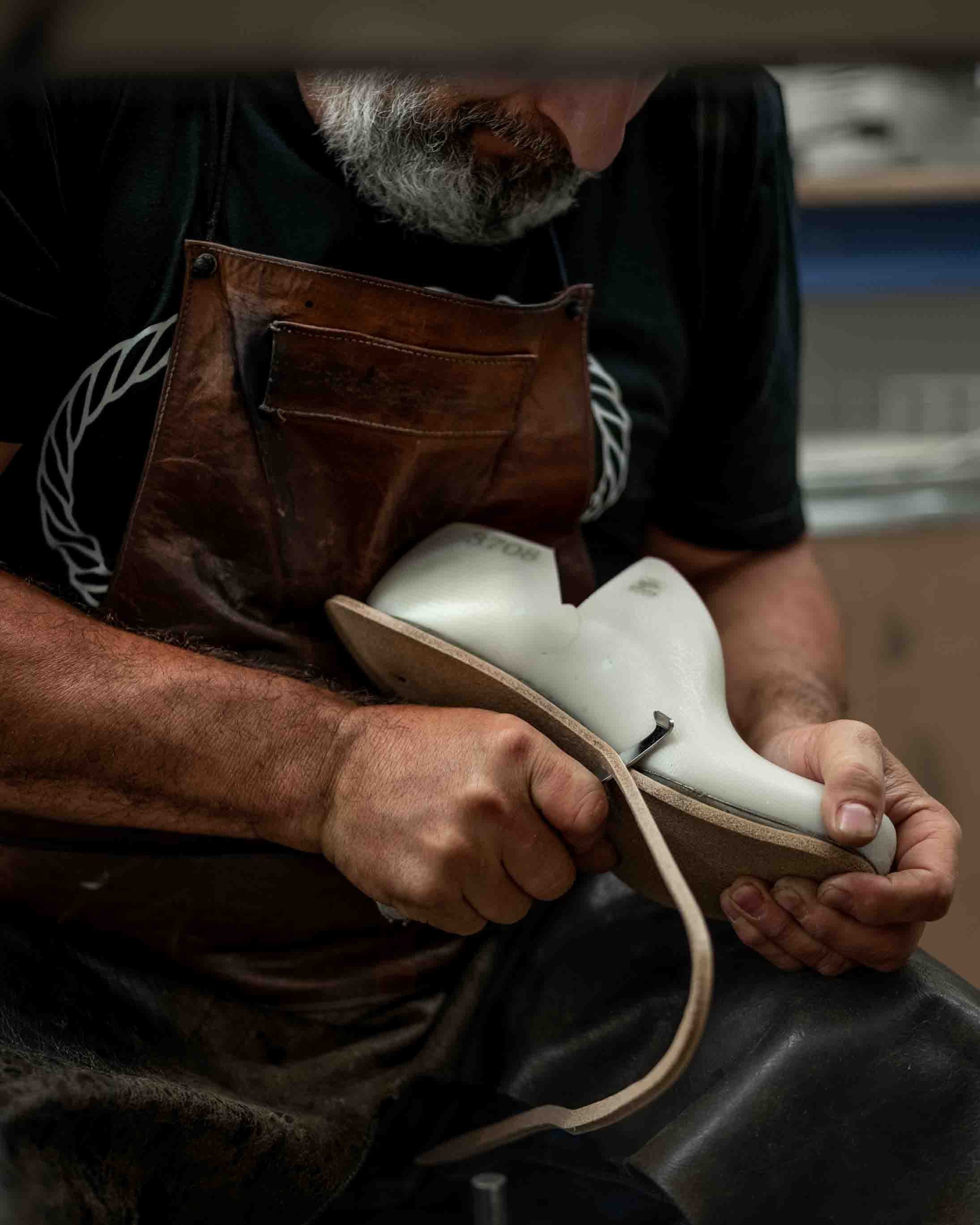
If you’re working on just one pair, and you have the pair of uppers, lasts, and insoles, you could do one pair in about 30 minutes. When we make them, it doesn’t work this way exactly because of our step by step process. This is when you have your uppers and last, you then trim the insoles and wet last the boot so it’s soaked in water. This sits minimum overnight letting the leather take the shape and mold to the last. The next day or even two days after, we then dry last the boot which involves forming and shaping the heel and pulling the last together. This whole process for us since we want to do it correctly and not rush it usually takes two to four days.

This wraps up part 2 of some frequently asked questions about JK Boots. Now you should have a clearer picture of what goes into our boots and what you can expect over time.
If you haven't already be sure to check out the full video on YouTube where I walk through all these topics in more detail.
Leave a comment