









Inside the JK Boots Superduty: What You See When You Cut the Toughest Boot in Half
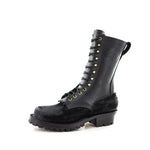
The Superduty is our trophy boot. It's the one built for wildland firefighters, heavy laborers, and anyone who needs a boot that is overbuilt and simply won't quit. To show you exactly why, we cut one in half to take a look at every layer, every material, and show every decision made on it. Here's the full breakdown.

Upper Leather and Tongue
The first thing visible as we cut it open at the top is the tongue. It's a 3-4oz proprietary leather that we sourced specifically because stiff, uncomfortable tongues was a common complaint we heard about work boots. The leather has two sides with the suede facing inward toward the ankle for softness, and the smooth side out so debris and moisture rinse off easily.

Vamp & Lining: Nearly 13 Ounces of Leather Around Your Foot
The vamp leather on the Superduty runs 8-9oz on its own which is already pretty thick. Add the 3-4oz lining that's both sewn and glued in and you're looking at nearly 12 to 13 ounces of leather wrapped around your foot and toe. For reference, many of the more popular boot brands would use 4-5oz leather. We use close to three times that. The lining is installed suede side in so that it grips your sock and hugs your foot rather than sliding around.

Backstay, Pull Loop and Counter Pocket
While other boots could thin out at the back, the Superduty absolutely doesn't. The backstay is cut from the same 8-9oz hide as the rest of the uppers so that means two full layers of thick leather running up the back of your Achilles and heel. The pull loop is the same weight too so that it stays durable as you yank on it multiple times a day. The counter pocket as well, separate from the counter inside it is also the same leather. Stack that with the upper, back stack, and the thick oak-tan leather counter inside it and you're looking at somewhere around 30 or more ounces of leather all protecting your heel and ankle. This is almost overkill and is why these boots are next level.
Thick Leather Counter
Inside the counter pocket we have this thick oak-tan leather counter that wraps around the heel. The support that it gives is almost overkill because it's so rough and so thick it's almost impossible to break or sprain or twist your ankle. This support when walking on uneven ground or in the forest or up and down ladders is why wildland firefighters love this boot so much.

Sock Lining & 9-Iron Oak-Tan Leather Insole
A thin leather layer we call sock lining sits over the insole starting at the heel and going about halfway. This is there to cover the nail heads that clinch back into the leather during the bottoming process and keep the natural foot perspiration from reaching the metal so there is no degradation over time. These nails won't hurt whoever is wearing the boot, they are just visible on the insole so this layers just covers that.

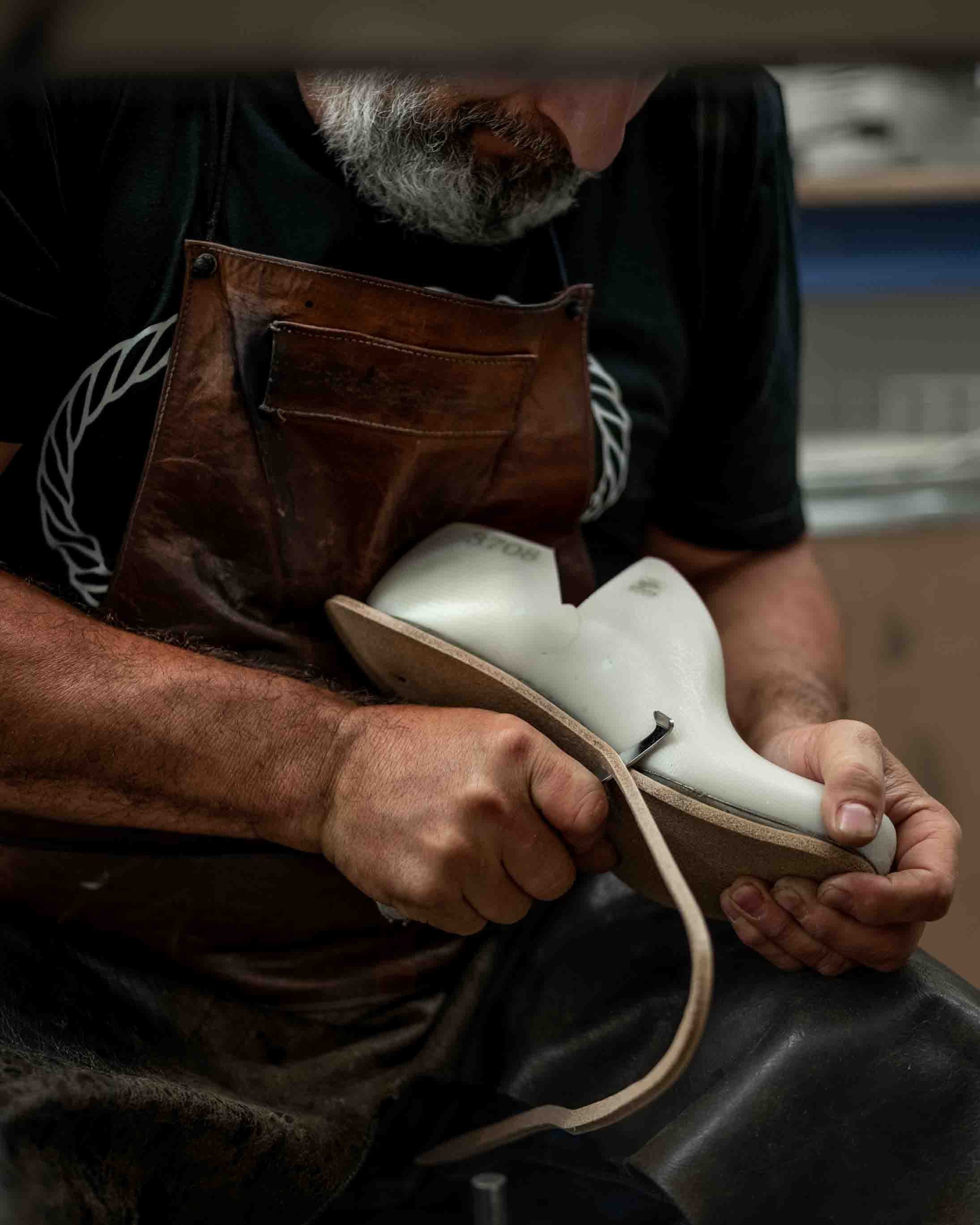
Below that is the 9-iron oak-tan leather insole that runs from heel to toe. This is the base layer your foots actually rests on and breaks into over time. This is the highest quality leather that we can source as it's a very important piece. It's also very important for it to be quality and installed correctly so it molds to your foot and is able to stay in the boot for multiple resoles.
Arch Support Pad, Cover Shank & 12-Iron Leather Midsole
Just beneath the insole are three more critical layers that build the Superduty's foundation.
Arch Support Pad - A thinner brown leather layer installed first during the shanking process. It sits against the natural arch curvature of the last and physically presses up to support your arch.
Cover Shank - A thick layer of oak-tan leather laid directly below the arch support pad. The purpose of the cover shank is to give the arch that rigidity and support so that it doesn't break over time. It runs from the middle of the heel to just before the ball of the foot where it feathers out. So these two layers work together to fill in that arch shape and provide that support.
Squeak Pad - This is tucked between the insole and midsole. It's a thin material that is just there to prevent any leather-on-leather contact that would cause a boot to squeak. So right where your foot flexes the most it also provides a small amount of compression.
12-Iron Oak-Tan Leather Midsole - This is a very important piece and could almost be considered the backbone of the entire boot. Running from heel to toe, this is a very thick, very high quality, serious piece of leather. During the bottoming process there's two rows of nails that go through it so this means whole boot is basically anchored on it and it just holds it together.

Vibram RedX Outsole
After the midsole comes the Vibram 100 lug outsole in the Red X version. It's chemical resistant, fire resistant, and built with solid rubber lugs that don't hollow out or wear thin quickly. This is the toughest sole Vibram produces so it's pretty awesome.

Leather Heel Base & Heel Cap
After the outsole is the heel base which is four layers of stacked oak-tan leather. It is held together with nails that clinch into the leather and lock everything together under the heel. Other mass produced boots might use cardboard or plastic or some synthetic filler but the Superduty has full leather so that it doesn't separate or rip apart like other less quality materials might.

Over that goes the matching lug heel cap, same fire and chemical resistant rubber as the outsole. It's glued first, then nailed, then finished with three screws around the front of the heel. This is a next level permanent hold.
So that's sums up the Superduty build. We want to be as transparent as possible when it comes to how we build our products so we hope through this teardown you were able to learn all about it. We make sure to source the highest quality leather and build every boot by hand to make sure we can offer the highest quality product. If you're looking for a boot that is next level and will last multiple years then this is the boot for you.
Want to see every layer up close for yourself? Watch the full cut-in-half breakdown below and see exactly what makes the Superduty the toughest boot money can buy.
I’d be interested to see how the new 360 stitchdown build technique compares. I’m concerned the new build technique will change the fit and feel with less material under heel. Disappointing that this cutaway is the old 270 stitchdown style
WOW !
Leave a comment