





How Tough Are JK Boots? We Tore Down a Pair After Years on the Fire Line to Find Out
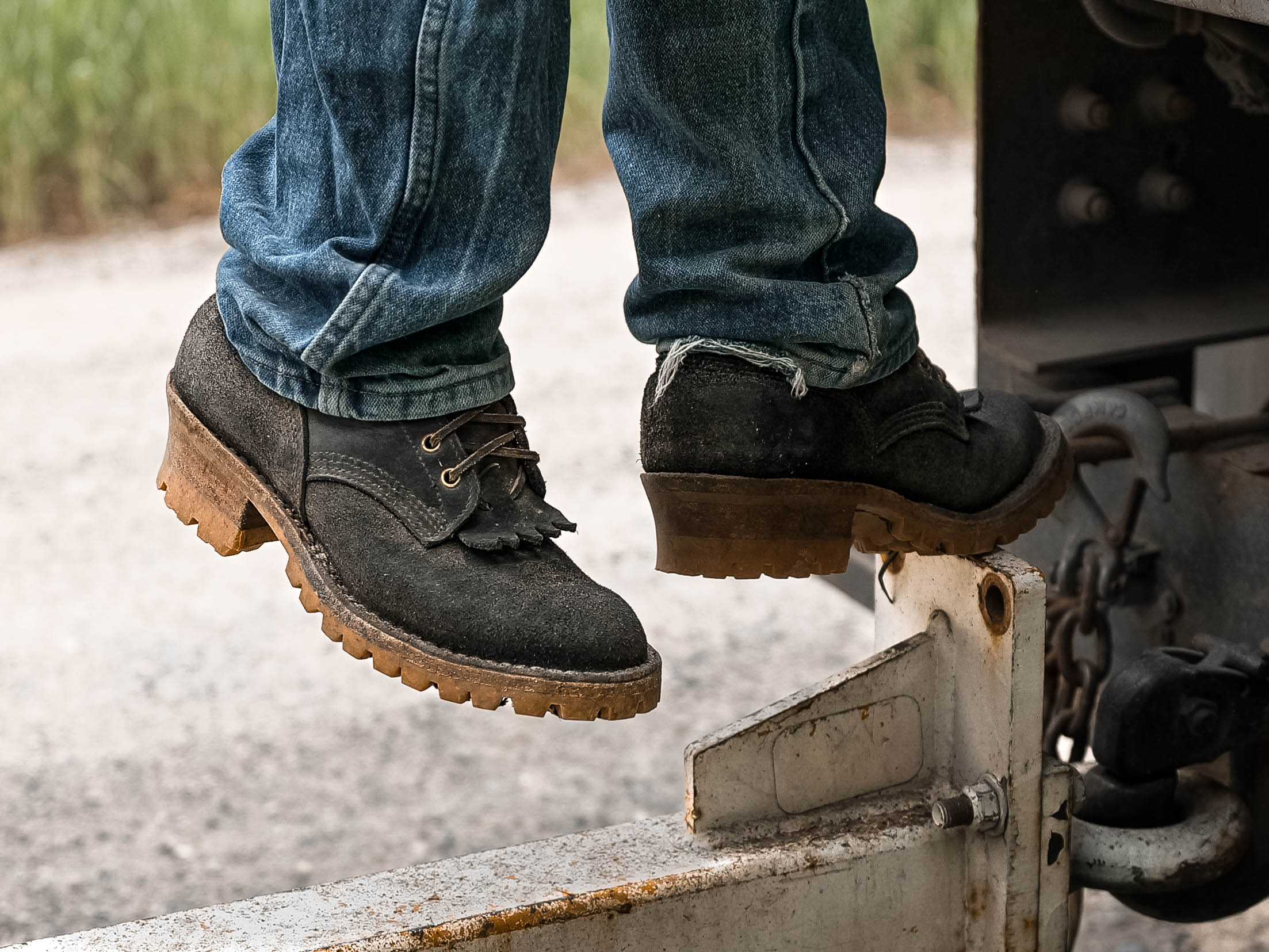
What actually happens inside a JK Boots work boot after years of hard, daily use? Are JK Boots as tough as we claim? Well we are going to find out. This is a pair of JK Boots that spent three years fighting wildfires and worn hard in some of the most punishing conditions. They've been brought in for a rebuild so this is a great opportunity to tear them down and see what we can find inside.
Here's what the teardown revealed.

First Impressions: The Outside
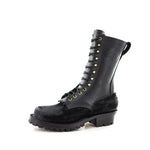
Before touching a single tool, the exterior already tells a great story. After three years of use, these boots have held their shape with no blowouts, deformed sides, or cracked leather, as well as the stitching being intact. The tongue is not ripped, and none of the hardware has torn through the leather. The soles are fairly flat and we can see that the screw heads that were buried inside the leather when they were brand new are visible at the surface. So that's how much the sole has ben worn down. This is a testament to see how hard the boot has been used and the ability it has to take it.
Tearing Down the Heel
Removing the heel cap there are 11 nails, each driven through a washer, along with three screws holding the rubber cap down. All this is on top of a full adhesive bond. Beneath that, nine iron clinch nails secured the leather heel base, and we could see they had clinched correctly. Clinching is when a nail gets hammered into the boot, since we use a last with a metal plate on it, that when the nail hits it, it bends and "clinches" back to secure it in place. After three years of hard wear, not one of these loosened or pulled free. The glue bond was still clean and intact at the center, with only some minor edge delamination. This is all great to see and pretty much what you'd expect so far.

The Outsole and Leather Midsole
Pulling of the Vibram fire-rated outsole required some real effort. As it got pulled off, the rubber tore before the stitching gave way. There are two full rows of stitching, nine additional screws, and a full adhesive bond to keep that sole in place. This is three independent fastening systems to secure that sole in place. A lot of boots on the market rely only on one for example like glue, but we want to make sure there isn't a chance that sole comes off.

Beneath the outsole we have the leather midsole. As we got to it in this pair of boots, it was clean, whole, and firmly in place. Every bottoming nail had clinched perfectly with the interior not showing any significant dust, grime, or moisture. The shank and arch support looked nearly as they did when they were installed.
Inside the Boot
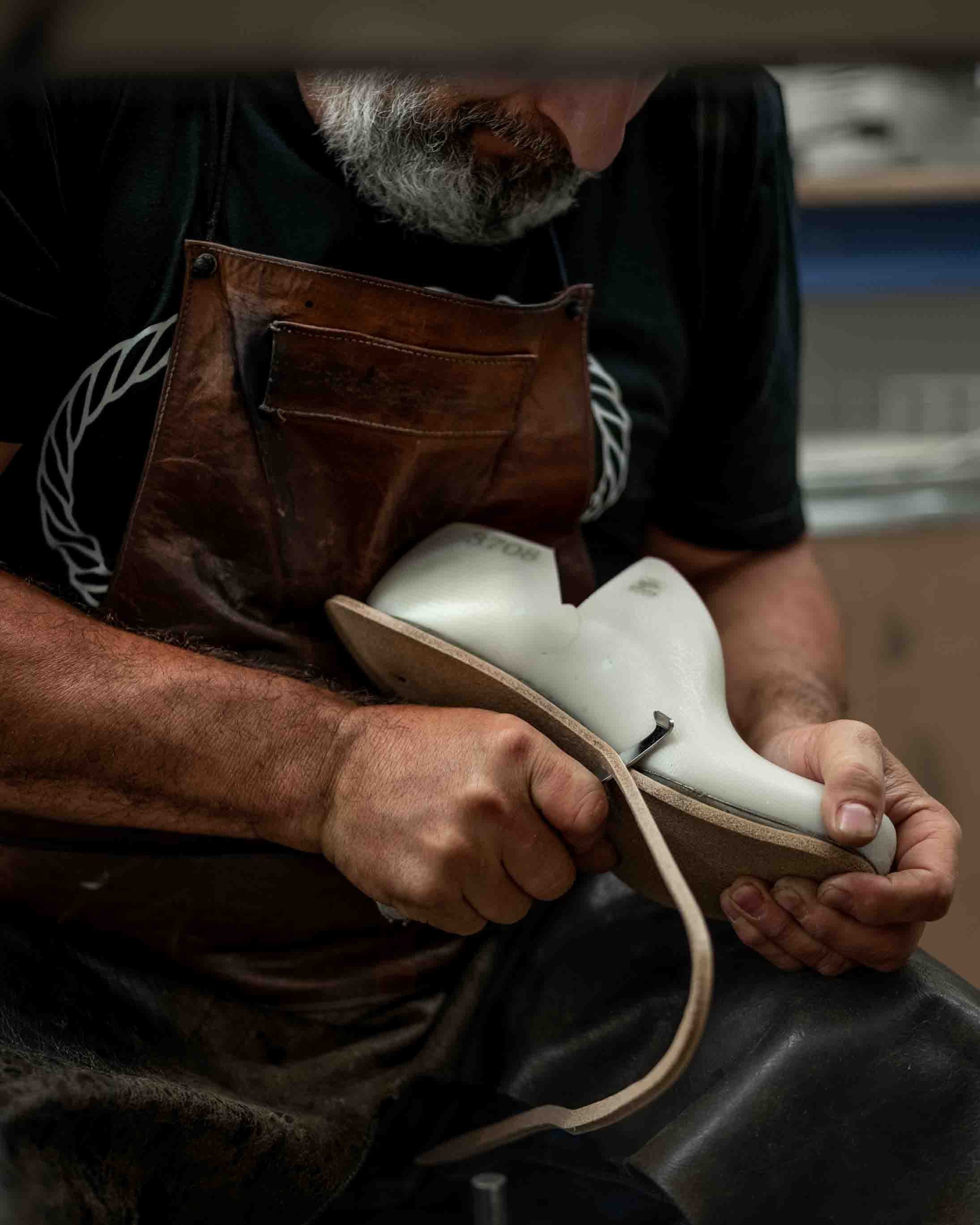
The 9-iron oak-tan insole came out in one piece, molded to the exact shape of the wearer's foot. Three years of hard daily use and it did not crack, compress flat, or deteriorate. The leather heel counter was also fully intact. That is the piece that maintains ankle support and boot shape. Nothing has significantly deteriorated or fallen apart and this is largely because we don't use any synthetic materials on our boots like cardboard, foam, polyester, or plastic. There is only a squeak pad that is between the insole and midsole, but that is there so that your boots don't squeak. Apart from that and things like the thread, nails, and glue, what your boot actually consists of is all leather. That leather is also 50% thicker than everything else in the industry and that is what makes our boots overbuilt and able to perform in very demanding jobs.

We also use Technora fire-rated thread and thought the teardown it lived up to its reputation. It's flame resistant meeting NFPA standards and ridiculously tough it even dulls out blade as we cut through it. It's pretty much the best you can get. This is why we use it on every single pair of boots we make to just overbuild them because we want to have the best boot in the market.
If we also take a look at the vamp, there's two layers around your foot there and the lining on it is pretty much intact. That is what quality lining looks like and that's why we over build these boots. So that they can take a beating, come back in, get rebuilt, and just go back out and keep going.
What the Upper Revealed
Once the lower was fully removed, the upper being the leather quarters, tongue, backstay and eyelets was all still in solid shape. The leather had been well cared for and oiled by the owner and that really showed. Taking a look at the inside, No rot, cracking, or any blown seams. This upper is going to get that full rebuild that comes with a new vamp, new counter, new insole, new midsole, new outsole, and new hardware so that it can go straight out into the fire line again for three or four more years.

So that was the whole teardown where as we went through over each piece we could see the quality of the design, strength of materials and the extremely overbuilt construction. We purposely overbuild our boots here at JK Boots so that the elite professional and hardcore enthusiast can tackle those tough jobs and not have to worry about what is on their feet. This quality is what we are all about and what you can always expect on your next pair of JK Boots.
If you want to see the full teardown from start to finish in even more detail make sure to watch the video below.
Leave a comment