









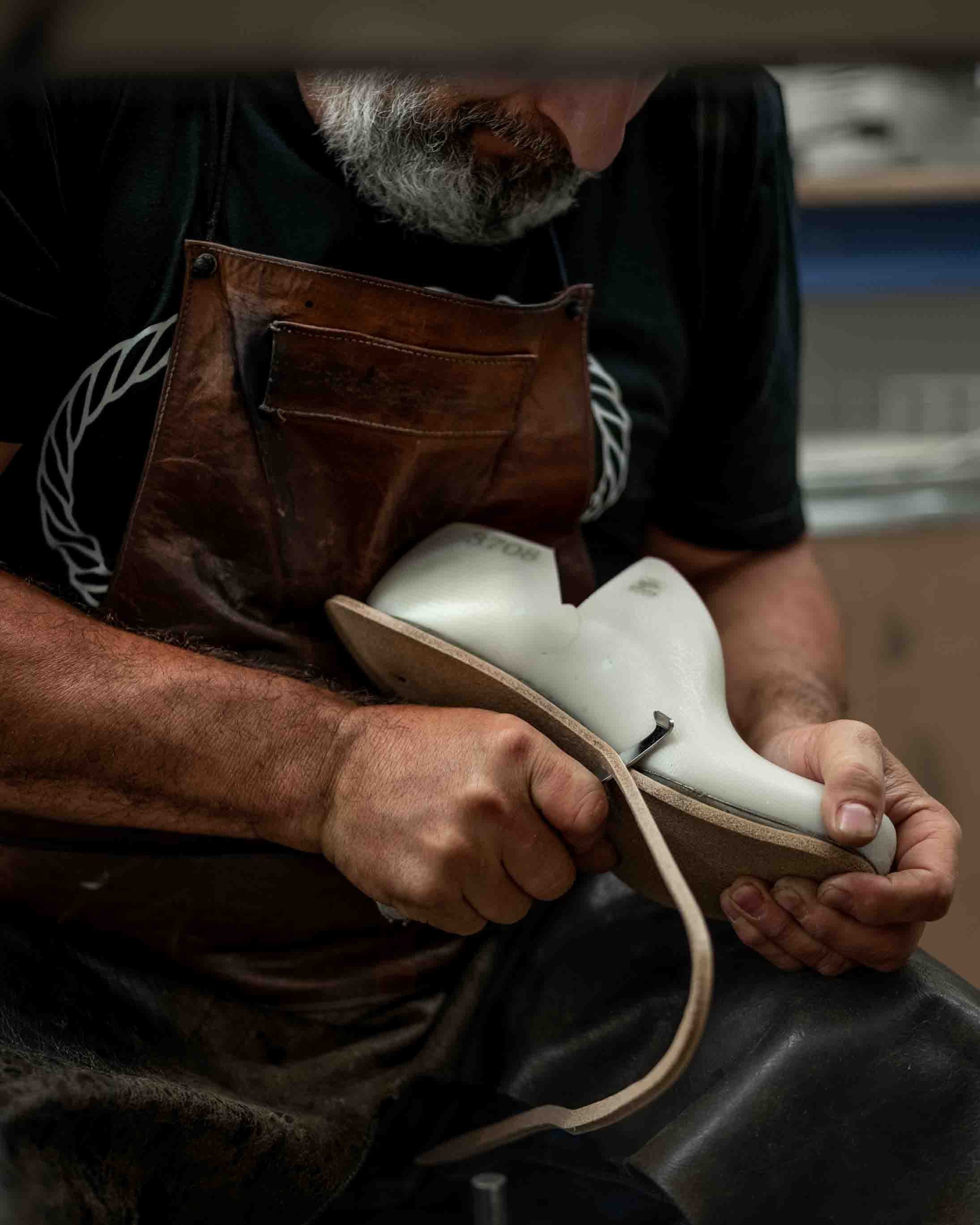
Composite vs Steel Toe: Comfort, Safety & Fit Explained
When it comes to choosing between composite toe vs steel toe boots, there are a few key differences. Understanding why we recommend certain types of safety toes over others and what sets them apart, is worth discussing to help you find which option best serves your needs.

Understanding Hard Toe Boots
Before even comparing composite and steel, it’s important to understand what a hard toe does to a boot overall. Anytime you add a safety toe, whether it’s steel, composite, or fiberglass, you’re introducing a rigid material into a boot that is otherwise flexible, moldable, and designed to break in over time. Because of that, there’s a possible tradeoff between protection and comfort, for some that’s more and for others that can be less.
In fact, if you can avoid a hard toe altogether, that will give you the most comfortable experience and is always better. But if your job requires protection, then the goal becomes choosing the option that gives you the best balance of comfort, safety, fit, and even aesthetics.
Composite Toe: Built for Comfort and Versatility
Composite toe boots can have different variations but they are made from non-metal fiberglass material. They come pre-molded to meet ASTM safety standards. The biggest advantage they have here is comfort, and that mostly comes down to the shape.
Composite toes naturally create a larger toe box, which gives your toes more room to move. Compared to a steel toe that has a bit of a narrower toe profile, that extra space makes a noticeable difference, especially if you’ve dealt with toe rub or pinching in the past. We’ve seen firsthand how complaints from people about pinky toe pressure drop significantly when they switch from steel to composite toes.
From a safety perspective, composite toes also behave a little differently than steel toes on impact. Instead of coming down on your foot and bending inward like a steel toe might, they’re designed to crack and absorb the force. That can reduce the risk of the material pressing down onto your toes in a worst case scenario.
Another third benefit is temperature. Because composite materials aren’t metal, they don’t conduct cold or heat the same way steel would. If you’re working especially in colder environments this can be really helpful. They won’t make the rest of your boots feel cold like they’re pulling the heat away from your feet.
When it comes to a con for composite toes, it is mostly visual. Composite toes are bulkier, they can look a little funny when installed on a boot. It can look a little larger or more pronounced. Unfortunately the size and how it fits on a boot is just because of how it is made. For some people this can be an issue, but it comes down to form over function, beauty over function, and what matters more to you.

Steel Toe: A Sleeker, More Traditional Fit
Steel toe boots have been around forever, and for good reason because they work. Both composite and steel toes meet the same ASTM standards as composite toes, so in terms of certification, both are equal, although one could potentially be stronger than the other.
Where a steel toe would stand out is in its profile. It’s thinner, lower, and a lot less conspicuous. You almost can’t tell that the hard toe is in the boot. If you don’t want that bulky appearance, the steel toe is definitely a really good option.
It also tends to work better for people with narrower or lower-volume feet. Since the toe box isn’t as tall or wide, it has a more snug, form fitting feel. The increased toe box of the composite toe can make the boot feel larger than it really is, so the steel toe could give you a better fit in this situation. This could come at the cost of comfort though since less room in the toe box means a higher chance of pressure points.
So, Which Is Better?
Deciding which is better really comes down to priorities. If your main concern is comfort, toe room, and wearability in different work environments and situations, the composite toe is hard to beat. On the other hand, if you care more about the streamlined look and a snug, closer fit, steel toe might be a better option for you.
From our perspective, if we had to choose one, we would go with the composite toe. It’s more forgiving, can be more comfortable, and won’t make your feet feel too hot or cold. This doesn’t mean steel toe is the wrong choice, it just depends on what you value more. If you’re unsure, the best thing you can do is try both out. You might have uncomfortable experiences with one or the other so trying the other toe type out would be beneficial.
Ultimately there’s no right or wrong answer. They both meet the same safety standards and can perform well. The difference is how they fit on your feet and your specific needs and preferences.
🔗 Watch the full breakdown in the video to see how composite and steel toes compare
Leave a comment