Which Part of Insulated Work Boots is Dielectric?Not every work boot offers dielectric protection. To be electrically insulating, boots must have a rubber sole and some form of waterproofing. Additional insulation inside can also provide dielectric properties. Electrical Hazard (EH-Rated) leather boots won’t be dielectric as they’re not waterproof. If you’re looking for a dielectric work boot, you’ll need waterproof, insulated boots, preferably with a high shaft. Insulated winter work boots are dielectric, as they can be used in wet, icy, ...
3 Hacks to Break in Insulated Boots FastInsulated boots have an extra layer under the leather, which makes breaking them in tougher than usual. To break your insulated boots in, you’ll have to wear them around the home for a while while wearing thicker socks. You should also condition your insulated boots with leather oil. This not only waterproofs them but softens the leather, making them more comfortable and easy to break in. After you’ve used leather oil, wear your boots at home for a day or two until they’re broken in enoug...
What are Insulated Boots? 3 Reasons You Must Consider Winter Work BootsInsulated boots have an additional thermal insulation layer inside to protect your feet from low temperatures. The most common type of insulation is Thinsulate, a synthetic material that traps air molecules to retain heat. For less extreme temperatures, insulated boots are rated by the insulation thickness ranging through 100g, 200g, 400g, 600g, and 800g. At What Temperatures Do You Need Insulated Boots? As a general rule, the higher the rating, the thicker the insulation, making Thinsulat...
How to Waterproof Winter Boots: Stay Dry in the ColdWinter boots made using leather need to be treated with a leather preservative such as leather oil or wax that makes the leather water-resistant while still allowing the material to breathe. I like treating my boots the day I get them, and I make cleaning my boots and treating them with oil a regular process. Waterproofing your winter boots doesn’t just prevent water from getting in—it will prolong the lifespan of your boots. Here’s how you get it done. What You’ll Need to Waterproof You...
What are the Wildland Fire Boots NFPA Requirements?Are you a wildland firefighter looking for a pair of boots that can stand up to the tough and rugged conditions of the job? Now before we dive into the full specs of the NFPA requirements, some of the details are in flux right now. As of this writing, the NFPA 1977 requirements are being phased out and combined in the NFPA 1950 standards. That said, all the following is true for wildland fire boots. Wildland Fire Boots NFPA Requirements The National Fire Protection Association (NFPA) has esta...
Can Wildland Fire Boots Have a Steel Shank?There’s a lot of false information out there saying that a steel shank conducts too much heat and can burn your feet if you’re out fighting fires and expose your boot sole to too many embers. That’s just not true. However, the best wildland fire boots like the JK Fire Inlander don’t use steel shanks. And there’s a good reason for it. Can I Have a Steel Shank in my Wildland Fire Boot? Short answer: yes, wildland firefighting boots can have a steel shank. A steel shank is a supportive...
Are Wildland Fire Boots Good for Hiking?As a wildland firefighter, you know the importance of having a reliable and durable pair of boots that are specifically designed for the job. But what about when you want to hit the trails for a casual hike? Are your wildland fire boots suitable for hiking as well? Well, there are some pros and cons of wearing fire boots for hiking and if you’re looking for a boot that can do both, then you’re in luck: the JK Fire Inlander is a wildland fire boot all the way through, but plenty of our custome...
How to Fit Wildland Fire Boots: 5 Tips to Get the Right FitYour feet are the foundation of your firefighting success, so let's make sure you've got the perfect boots to withstand those challenging conditions. These are the five most important factors to consider when getting the ideal fit for your wildland fire boots, ensuring support and comfort when you're out battling the flames. Remember, when the going gets tough, it's the tough who get going---and that starts with a reliable pair of work boots. So here’s how you get the righ...
Composite vs Steel Safety ToesHistory of Safety Toe Boots Safety toe boots rose to prominence in the 20th century due to an increase in safety concerns and liability costs by companies. The US Congress passed the Occupational Safety and Health Act in 1970 mandating safety footwear in numerous environments. In order to meet standards, safety toe boots must pass impact and compression tests, putting pressure on the toe area to ensure it won't be easily crushed. Steel Toe Boots were initially the primary choice, but deve...
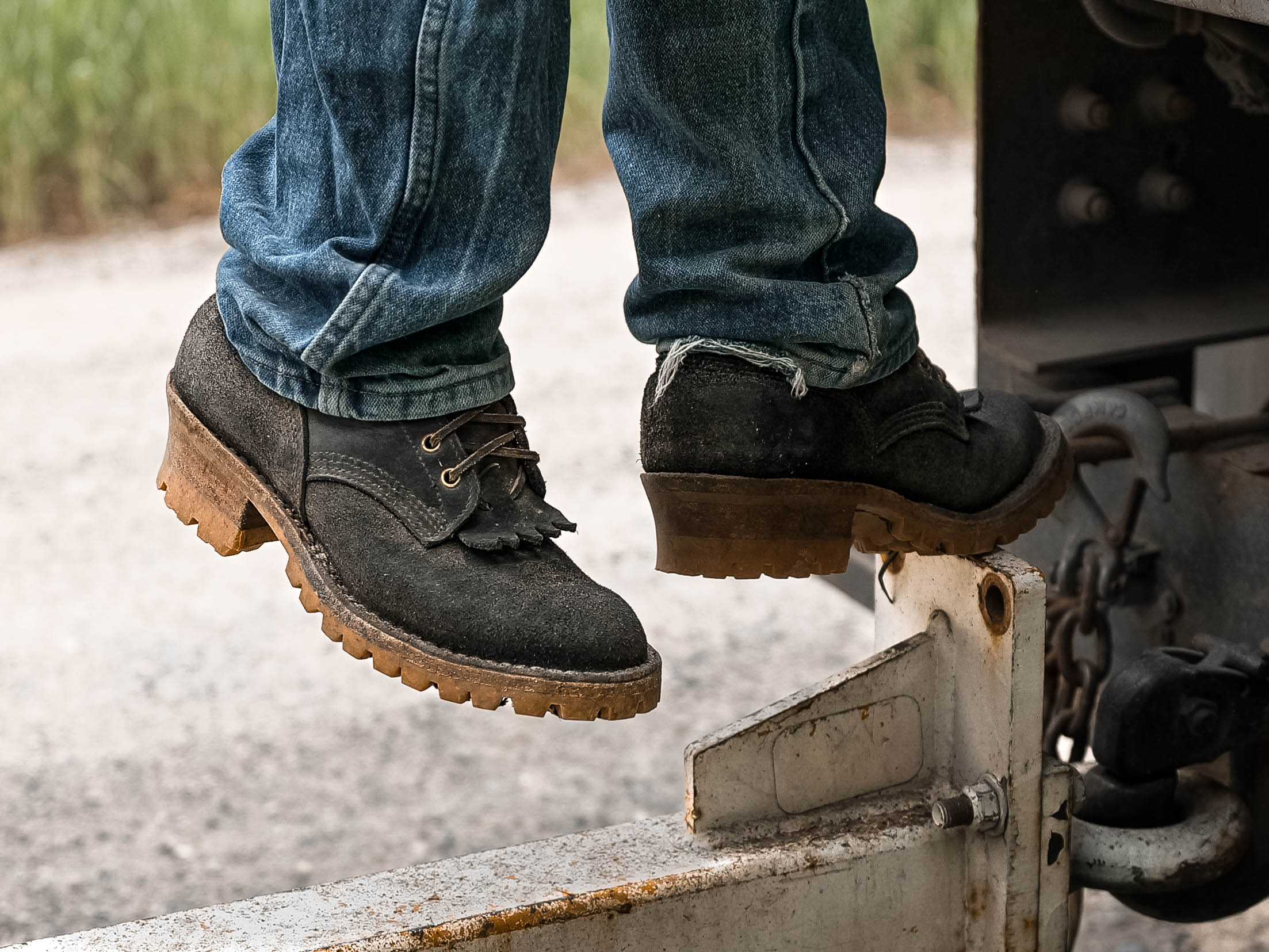
Why do Wildland Fire Boots Have High Heels? Is there a reason why wildland fire boots have such high heels? Well, yes. Most wildland fire boots have a tall heel--something like a 2-inch block curved or western-style heel. And there’s a specific reason for such a tall heel. There are a lot of benefits to the high logger heel, and there are a few drawbacks as well. A great example of a wildland fire boot that’s ready for duty is the JK Fire Inlander. We’ll use that boot to demonstrate all the reasons why you might want a raised heel f...
10 Tips to Make Your Work Boots More ComfortableBreaking in a tough pair of work boots? At JK, we’ve been handcrafting the most durable work boots since the mid ‘90s in Spokane, Washington, so we know a thing or two about breaking in tough boots. We ship a lot of boots out to wildland firefighters, linemen, loggers---some of the toughest jobs on the planet. And if you have a tough break-in while out on the job, it can make for a long day. It might surprise you, but even though JK Boots are built like tanks and look like they’d take year...
Why are Handmade Boots More Comfortable?Photo: Well-worn pair of handmade JK work boots History of Bootmaking Handmade footwear was the norm for millennia until the 19th century with the development of industrial machines which flooded the market with synthetic materials and more styles of boots than ever. The mass production of boots allowed for lower prices and greater accessibility to, well…the masses. Today’s boot manufacturers boast of high-tech construction and maximum comfort with unfamiliar terms like “air-infused PU midsol...
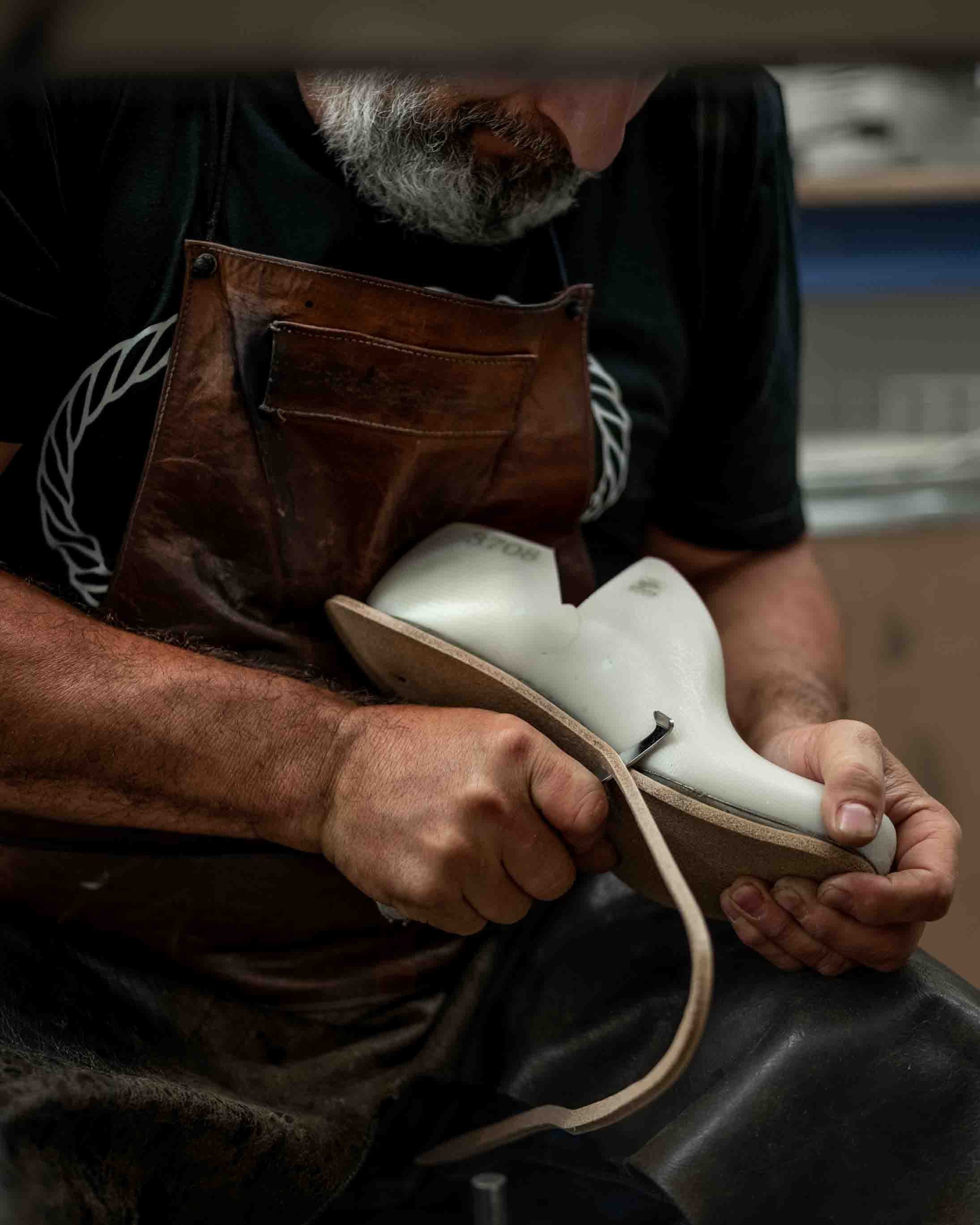
How JK Crafts American Made Work BootsTrue American made work boots are a dying breed. Sure, you can find boots that are sewn together in the USA. Brands that print the Stars and Stripes on a little tag and attach it to the inside. But what about boots that are USA-made all the way through? There are a handful of brands still crafting true American made work boots, from the style all the way through to the materials. Here’s how it’s done. The Best American Made Work Boots Are Handcrafted For a truly durable work boot, there’s n...
What Leather is Best for Fire Boots? NFPA (National Fire Protection Association) standards require an 8-inch lace-up style leather boot with a melt-resistant sole. That’s a mouthful, ain’t it? What’s not as clear is what type of leather is the best for fire boots. Because even two boots that look the same can have a vastly different performance in the field. So if you’re getting a new pair of fire boots, you want to make sure you’re getting the right leather that’ll keep your feet protected and comfortable. And if you pick a ...
The Types of Leather We Use and WhyWhy should you use Smooth or Roughout Leather? Our smooth and roughout leather both originate from the same leather hides, each term simply referring to the side of the leather that is facing out on the boot. With full grain leather, you will see the familiar smooth leather on one side, and the "hairy" or roughout leather on the backside. Roughout should not be confused with suede, which results from splitting the hide in the middle giving you a length of delicate material that is fuz...
Introducing the Ace: The Boot That Starts JourneysWelcome to the launch of JK Western's original foray into the legacy of the West – the Ace Boot. This isn't just a step into the world of cowboy boots; it's a stride into the essence of the frontier itself, crafted for those with a pioneering spirit and an eye for enduring style. Designed in Spokane and handcrafted in the capital of western-bootmaking: Leon, Mexico, our boots are a celebration of the values that make up the old west. The Ace: A Nod to the Classics Imagine the...






 Which Part of Insulated Work Boots is Dielectric?
Not every work boot offers dielectric protection. To be electrically insulating, boots must have a rubber sole and some form of waterproofing. Additional insulation inside can also provide dielectric properties. Electrical Hazard (EH-Rated) leather boots won’t be dielectric as they’re not waterproof. If you’re looking for a dielectric work boot, you’ll need waterproof, insulated boots, preferably with a high shaft. Insulated winter work boots are dielectric, as they can be used in wet, icy, ...
Which Part of Insulated Work Boots is Dielectric?
Not every work boot offers dielectric protection. To be electrically insulating, boots must have a rubber sole and some form of waterproofing. Additional insulation inside can also provide dielectric properties. Electrical Hazard (EH-Rated) leather boots won’t be dielectric as they’re not waterproof. If you’re looking for a dielectric work boot, you’ll need waterproof, insulated boots, preferably with a high shaft. Insulated winter work boots are dielectric, as they can be used in wet, icy, ...
 3 Hacks to Break in Insulated Boots Fast
Insulated boots have an extra layer under the leather, which makes breaking them in tougher than usual. To break your insulated boots in, you’ll have to wear them around the home for a while while wearing thicker socks. You should also condition your insulated boots with leather oil. This not only waterproofs them but softens the leather, making them more comfortable and easy to break in. After you’ve used leather oil, wear your boots at home for a day or two until they’re broken in enoug...
3 Hacks to Break in Insulated Boots Fast
Insulated boots have an extra layer under the leather, which makes breaking them in tougher than usual. To break your insulated boots in, you’ll have to wear them around the home for a while while wearing thicker socks. You should also condition your insulated boots with leather oil. This not only waterproofs them but softens the leather, making them more comfortable and easy to break in. After you’ve used leather oil, wear your boots at home for a day or two until they’re broken in enoug...
 What are Insulated Boots? 3 Reasons You Must Consider Winter Work Boots
Insulated boots have an additional thermal insulation layer inside to protect your feet from low temperatures. The most common type of insulation is Thinsulate, a synthetic material that traps air molecules to retain heat. For less extreme temperatures, insulated boots are rated by the insulation thickness ranging through 100g, 200g, 400g, 600g, and 800g. At What Temperatures Do You Need Insulated Boots? As a general rule, the higher the rating, the thicker the insulation, making Thinsulat...
What are Insulated Boots? 3 Reasons You Must Consider Winter Work Boots
Insulated boots have an additional thermal insulation layer inside to protect your feet from low temperatures. The most common type of insulation is Thinsulate, a synthetic material that traps air molecules to retain heat. For less extreme temperatures, insulated boots are rated by the insulation thickness ranging through 100g, 200g, 400g, 600g, and 800g. At What Temperatures Do You Need Insulated Boots? As a general rule, the higher the rating, the thicker the insulation, making Thinsulat...
 How to Waterproof Winter Boots: Stay Dry in the Cold
Winter boots made using leather need to be treated with a leather preservative such as leather oil or wax that makes the leather water-resistant while still allowing the material to breathe. I like treating my boots the day I get them, and I make cleaning my boots and treating them with oil a regular process. Waterproofing your winter boots doesn’t just prevent water from getting in—it will prolong the lifespan of your boots. Here’s how you get it done. What You’ll Need to Waterproof You...
How to Waterproof Winter Boots: Stay Dry in the Cold
Winter boots made using leather need to be treated with a leather preservative such as leather oil or wax that makes the leather water-resistant while still allowing the material to breathe. I like treating my boots the day I get them, and I make cleaning my boots and treating them with oil a regular process. Waterproofing your winter boots doesn’t just prevent water from getting in—it will prolong the lifespan of your boots. Here’s how you get it done. What You’ll Need to Waterproof You...
 What are the Wildland Fire Boots NFPA Requirements?
Are you a wildland firefighter looking for a pair of boots that can stand up to the tough and rugged conditions of the job? Now before we dive into the full specs of the NFPA requirements, some of the details are in flux right now. As of this writing, the NFPA 1977 requirements are being phased out and combined in the NFPA 1950 standards. That said, all the following is true for wildland fire boots. Wildland Fire Boots NFPA Requirements The National Fire Protection Association (NFPA) has esta...
What are the Wildland Fire Boots NFPA Requirements?
Are you a wildland firefighter looking for a pair of boots that can stand up to the tough and rugged conditions of the job? Now before we dive into the full specs of the NFPA requirements, some of the details are in flux right now. As of this writing, the NFPA 1977 requirements are being phased out and combined in the NFPA 1950 standards. That said, all the following is true for wildland fire boots. Wildland Fire Boots NFPA Requirements The National Fire Protection Association (NFPA) has esta...
 Can Wildland Fire Boots Have a Steel Shank?
There’s a lot of false information out there saying that a steel shank conducts too much heat and can burn your feet if you’re out fighting fires and expose your boot sole to too many embers. That’s just not true. However, the best wildland fire boots like the JK Fire Inlander don’t use steel shanks. And there’s a good reason for it. Can I Have a Steel Shank in my Wildland Fire Boot? Short answer: yes, wildland firefighting boots can have a steel shank. A steel shank is a supportive...
Can Wildland Fire Boots Have a Steel Shank?
There’s a lot of false information out there saying that a steel shank conducts too much heat and can burn your feet if you’re out fighting fires and expose your boot sole to too many embers. That’s just not true. However, the best wildland fire boots like the JK Fire Inlander don’t use steel shanks. And there’s a good reason for it. Can I Have a Steel Shank in my Wildland Fire Boot? Short answer: yes, wildland firefighting boots can have a steel shank. A steel shank is a supportive...
 Are Wildland Fire Boots Good for Hiking?
As a wildland firefighter, you know the importance of having a reliable and durable pair of boots that are specifically designed for the job. But what about when you want to hit the trails for a casual hike? Are your wildland fire boots suitable for hiking as well? Well, there are some pros and cons of wearing fire boots for hiking and if you’re looking for a boot that can do both, then you’re in luck: the JK Fire Inlander is a wildland fire boot all the way through, but plenty of our custome...
Are Wildland Fire Boots Good for Hiking?
As a wildland firefighter, you know the importance of having a reliable and durable pair of boots that are specifically designed for the job. But what about when you want to hit the trails for a casual hike? Are your wildland fire boots suitable for hiking as well? Well, there are some pros and cons of wearing fire boots for hiking and if you’re looking for a boot that can do both, then you’re in luck: the JK Fire Inlander is a wildland fire boot all the way through, but plenty of our custome...
 How to Fit Wildland Fire Boots: 5 Tips to Get the Right Fit
Your feet are the foundation of your firefighting success, so let's make sure you've got the perfect boots to withstand those challenging conditions. These are the five most important factors to consider when getting the ideal fit for your wildland fire boots, ensuring support and comfort when you're out battling the flames. Remember, when the going gets tough, it's the tough who get going---and that starts with a reliable pair of work boots. So here’s how you get the righ...
How to Fit Wildland Fire Boots: 5 Tips to Get the Right Fit
Your feet are the foundation of your firefighting success, so let's make sure you've got the perfect boots to withstand those challenging conditions. These are the five most important factors to consider when getting the ideal fit for your wildland fire boots, ensuring support and comfort when you're out battling the flames. Remember, when the going gets tough, it's the tough who get going---and that starts with a reliable pair of work boots. So here’s how you get the righ...
 Composite vs Steel Safety Toes
History of Safety Toe Boots Safety toe boots rose to prominence in the 20th century due to an increase in safety concerns and liability costs by companies. The US Congress passed the Occupational Safety and Health Act in 1970 mandating safety footwear in numerous environments. In order to meet standards, safety toe boots must pass impact and compression tests, putting pressure on the toe area to ensure it won't be easily crushed. Steel Toe Boots were initially the primary choice, but deve...
Composite vs Steel Safety Toes
History of Safety Toe Boots Safety toe boots rose to prominence in the 20th century due to an increase in safety concerns and liability costs by companies. The US Congress passed the Occupational Safety and Health Act in 1970 mandating safety footwear in numerous environments. In order to meet standards, safety toe boots must pass impact and compression tests, putting pressure on the toe area to ensure it won't be easily crushed. Steel Toe Boots were initially the primary choice, but deve...
 Why do Wildland Fire Boots Have High Heels?
Is there a reason why wildland fire boots have such high heels? Well, yes. Most wildland fire boots have a tall heel--something like a 2-inch block curved or western-style heel. And there’s a specific reason for such a tall heel. There are a lot of benefits to the high logger heel, and there are a few drawbacks as well. A great example of a wildland fire boot that’s ready for duty is the JK Fire Inlander. We’ll use that boot to demonstrate all the reasons why you might want a raised heel f...
Why do Wildland Fire Boots Have High Heels?
Is there a reason why wildland fire boots have such high heels? Well, yes. Most wildland fire boots have a tall heel--something like a 2-inch block curved or western-style heel. And there’s a specific reason for such a tall heel. There are a lot of benefits to the high logger heel, and there are a few drawbacks as well. A great example of a wildland fire boot that’s ready for duty is the JK Fire Inlander. We’ll use that boot to demonstrate all the reasons why you might want a raised heel f...
 10 Tips to Make Your Work Boots More Comfortable
Breaking in a tough pair of work boots? At JK, we’ve been handcrafting the most durable work boots since the mid ‘90s in Spokane, Washington, so we know a thing or two about breaking in tough boots. We ship a lot of boots out to wildland firefighters, linemen, loggers---some of the toughest jobs on the planet. And if you have a tough break-in while out on the job, it can make for a long day. It might surprise you, but even though JK Boots are built like tanks and look like they’d take year...
10 Tips to Make Your Work Boots More Comfortable
Breaking in a tough pair of work boots? At JK, we’ve been handcrafting the most durable work boots since the mid ‘90s in Spokane, Washington, so we know a thing or two about breaking in tough boots. We ship a lot of boots out to wildland firefighters, linemen, loggers---some of the toughest jobs on the planet. And if you have a tough break-in while out on the job, it can make for a long day. It might surprise you, but even though JK Boots are built like tanks and look like they’d take year...
 Why are Handmade Boots More Comfortable?
Photo: Well-worn pair of handmade JK work boots History of Bootmaking Handmade footwear was the norm for millennia until the 19th century with the development of industrial machines which flooded the market with synthetic materials and more styles of boots than ever. The mass production of boots allowed for lower prices and greater accessibility to, well…the masses. Today’s boot manufacturers boast of high-tech construction and maximum comfort with unfamiliar terms like “air-infused PU midsol...
Why are Handmade Boots More Comfortable?
Photo: Well-worn pair of handmade JK work boots History of Bootmaking Handmade footwear was the norm for millennia until the 19th century with the development of industrial machines which flooded the market with synthetic materials and more styles of boots than ever. The mass production of boots allowed for lower prices and greater accessibility to, well…the masses. Today’s boot manufacturers boast of high-tech construction and maximum comfort with unfamiliar terms like “air-infused PU midsol...
 How JK Crafts American Made Work Boots
True American made work boots are a dying breed. Sure, you can find boots that are sewn together in the USA. Brands that print the Stars and Stripes on a little tag and attach it to the inside. But what about boots that are USA-made all the way through? There are a handful of brands still crafting true American made work boots, from the style all the way through to the materials. Here’s how it’s done. The Best American Made Work Boots Are Handcrafted For a truly durable work boot, there’s n...
How JK Crafts American Made Work Boots
True American made work boots are a dying breed. Sure, you can find boots that are sewn together in the USA. Brands that print the Stars and Stripes on a little tag and attach it to the inside. But what about boots that are USA-made all the way through? There are a handful of brands still crafting true American made work boots, from the style all the way through to the materials. Here’s how it’s done. The Best American Made Work Boots Are Handcrafted For a truly durable work boot, there’s n...
 What Leather is Best for Fire Boots?
NFPA (National Fire Protection Association) standards require an 8-inch lace-up style leather boot with a melt-resistant sole. That’s a mouthful, ain’t it? What’s not as clear is what type of leather is the best for fire boots. Because even two boots that look the same can have a vastly different performance in the field. So if you’re getting a new pair of fire boots, you want to make sure you’re getting the right leather that’ll keep your feet protected and comfortable. And if you pick a ...
What Leather is Best for Fire Boots?
NFPA (National Fire Protection Association) standards require an 8-inch lace-up style leather boot with a melt-resistant sole. That’s a mouthful, ain’t it? What’s not as clear is what type of leather is the best for fire boots. Because even two boots that look the same can have a vastly different performance in the field. So if you’re getting a new pair of fire boots, you want to make sure you’re getting the right leather that’ll keep your feet protected and comfortable. And if you pick a ...
 The Types of Leather We Use and Why
Why should you use Smooth or Roughout Leather? Our smooth and roughout leather both originate from the same leather hides, each term simply referring to the side of the leather that is facing out on the boot. With full grain leather, you will see the familiar smooth leather on one side, and the "hairy" or roughout leather on the backside. Roughout should not be confused with suede, which results from splitting the hide in the middle giving you a length of delicate material that is fuz...
The Types of Leather We Use and Why
Why should you use Smooth or Roughout Leather? Our smooth and roughout leather both originate from the same leather hides, each term simply referring to the side of the leather that is facing out on the boot. With full grain leather, you will see the familiar smooth leather on one side, and the "hairy" or roughout leather on the backside. Roughout should not be confused with suede, which results from splitting the hide in the middle giving you a length of delicate material that is fuz...
 Introducing the Ace: The Boot That Starts Journeys
Welcome to the launch of JK Western's original foray into the legacy of the West – the Ace Boot. This isn't just a step into the world of cowboy boots; it's a stride into the essence of the frontier itself, crafted for those with a pioneering spirit and an eye for enduring style. Designed in Spokane and handcrafted in the capital of western-bootmaking: Leon, Mexico, our boots are a celebration of the values that make up the old west. The Ace: A Nod to the Classics Imagine the...
Introducing the Ace: The Boot That Starts Journeys
Welcome to the launch of JK Western's original foray into the legacy of the West – the Ace Boot. This isn't just a step into the world of cowboy boots; it's a stride into the essence of the frontier itself, crafted for those with a pioneering spirit and an eye for enduring style. Designed in Spokane and handcrafted in the capital of western-bootmaking: Leon, Mexico, our boots are a celebration of the values that make up the old west. The Ace: A Nod to the Classics Imagine the...


